How Professionals Ensure Fairness in Parenting Assessments
What Is a Parenting Assessment?
A parenting assessment is a structured process used by professionals to evaluate how well a parent can meet their child’s needs safely and consistently.
In the UK, this is often part of a social services parenting assessment or a parenting assessment for court. The aim is to understand real-life parenting—how you care for your child day to day, not just what you say.
A parenting assessment usually includes:
- Observation of daily care
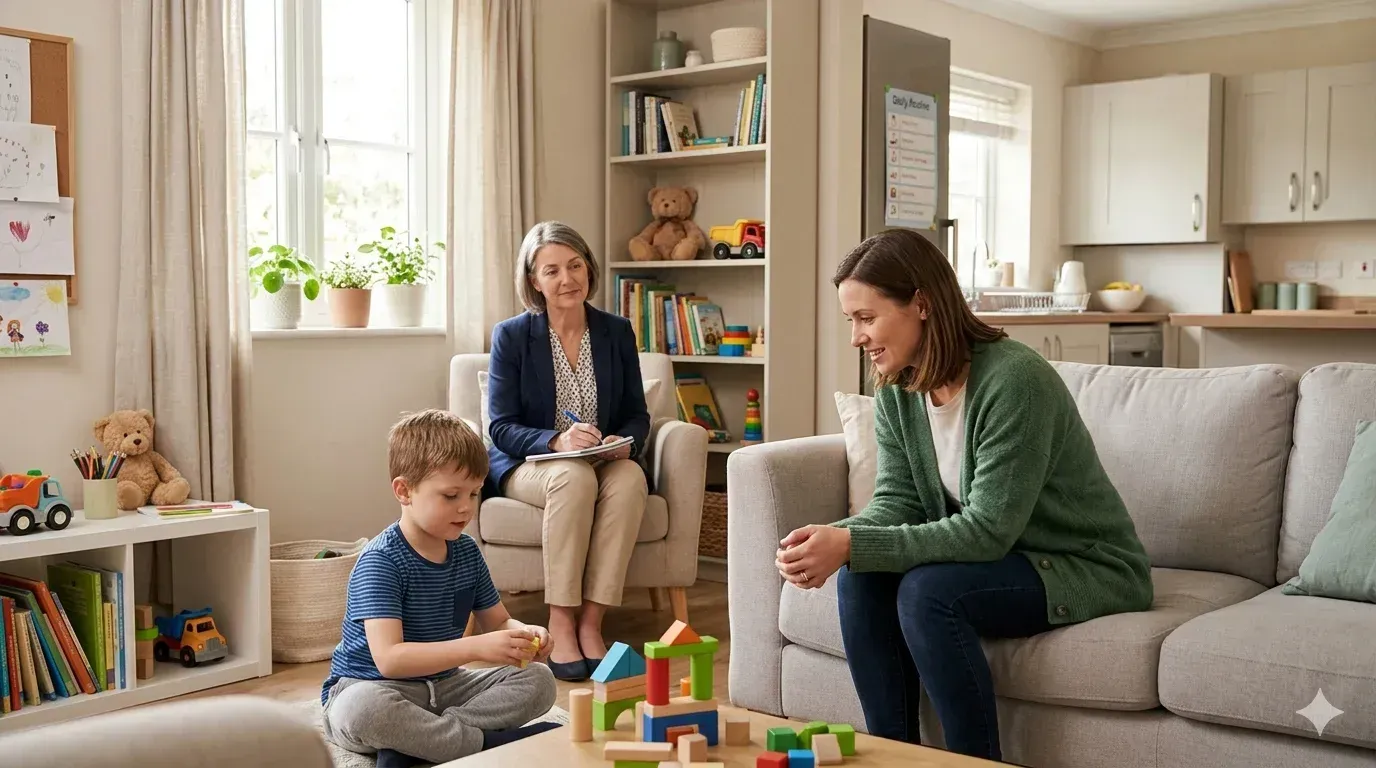
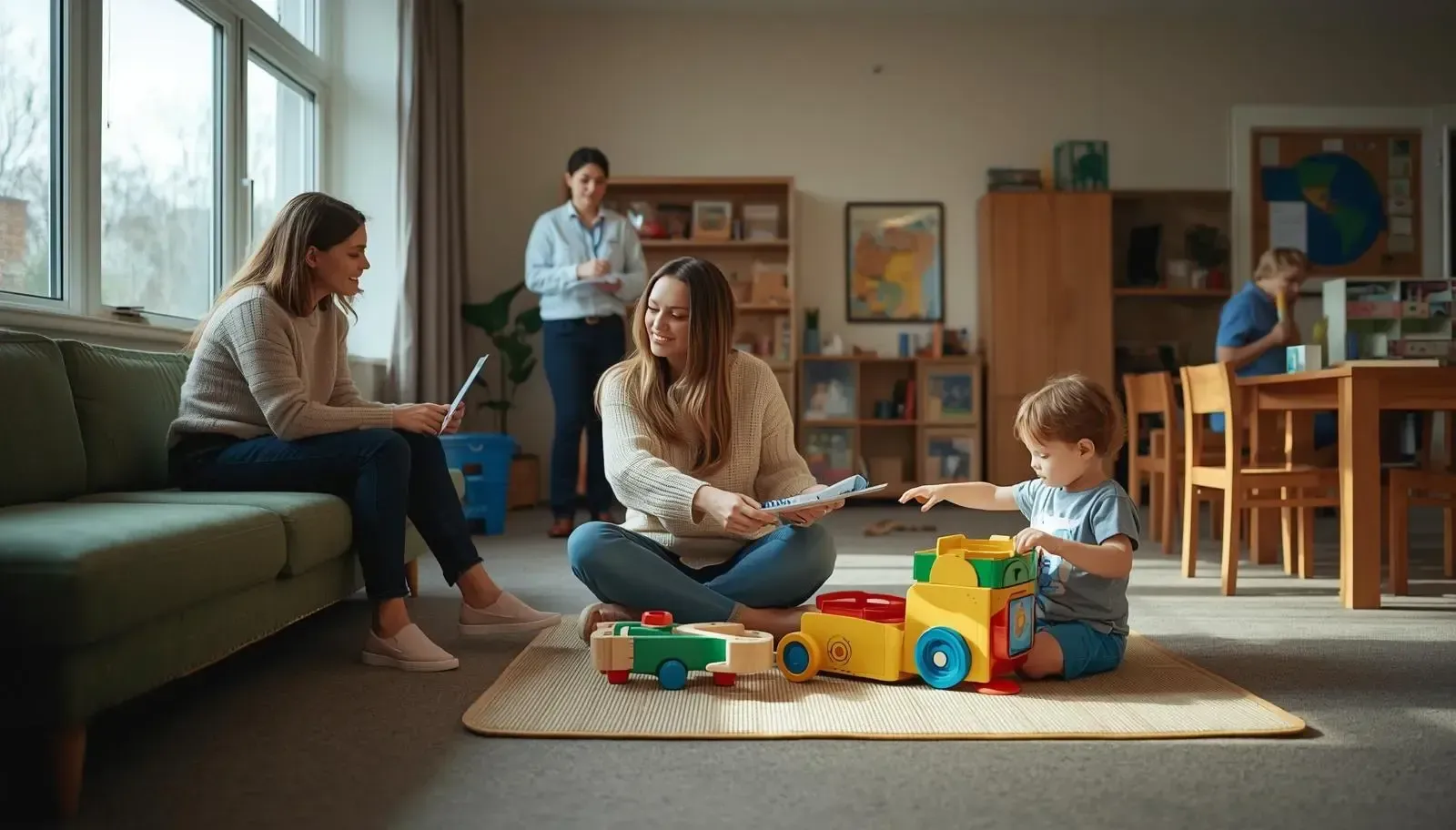
Professionals watch how you manage routines like feeding, hygiene, play, and sleep. - Parent-child interaction
They assess emotional connection, communication, and responsiveness. - Interviews and discussions
You may be asked about your understanding of your child’s needs and safety. - Review of background information
Previous reports and family history are considered. - Feedback and support
Guidance is provided to help you improve during the process.
Assessments can take place at home, in a family assessment centre, or sometimes in a children assessment centre, depending on the situation.
A parenting assessment helps professionals make fair and informed decisions about a child’s wellbeing and whether a parent has the capacity to provide safe and stable care.
Why Fairness Matters in Parenting Assessments?
Fairness in a parenting assessment ensures decisions are accurate, unbiased, and focused on the child’s best interests.
In the UK, outcomes from a parenting assessment for court can directly affect where a child lives and what support a family receives. That’s why every social services parenting assessment must be carried out in a fair, transparent, and structured way.
Fairness matters because it:
- Protects the child’s future
Decisions are based on real evidence, helping ensure children grow up in safe and stable environments. - Supports parents’ rights
A fair process gives parents the opportunity to show their true parenting ability and make improvements. - Builds trust in the process
When assessments are fair, parents are more likely to engage positively with professionals. - Ensures unbiased decisions
Professionals rely on observation and facts, not personal opinions. - Leads to better outcomes
Fair assessments provide a clear picture, helping courts make informed decisions.
In settings like a family assessment centre or children assessment centre, fairness is strengthened through consistent observation and structured support.
How Professionals Ensure Fairness?
Professionals ensure fairness by following structured frameworks, observing real-life parenting, and making decisions based on clear, unbiased evidence.
In a UK parenting assessment, fairness is not left to opinion. It is built into the process through consistent methods used in a social services parenting assessment, whether it takes place at home, in a family assessment centre, or a children assessment centre.
Here’s how fairness is maintained:
- Using structured assessment frameworks
Professionals follow a recognised parenting assessment framework to assess all families in the same way. - Observing parenting over time
Instead of judging one moment, they look at consistent behaviour across different situations and days. - Recording factual, unbiased evidence
Observations are written based on what is seen, not personal opinions or assumptions. - Providing equal opportunities to parents
Parents are given time, guidance, and support to improve during a parenting assessment for court. - Working within legal and safeguarding guidelines
UK standards ensure the process remains fair, transparent, and focused on the child’s best interests. - Using professional collaboration
Input from social workers and staff at a family assessment centre helps create a balanced and accurate view. - Offering feedback throughout the process
Parents are informed about their progress, which allows them to respond and improve.
In structured settings like a children assessment centre, fairness is strengthened through consistent observation and a supportive environment.
Fairness is ensured by combining clear methods, real-life observation, and evidence-based decision-making, helping professionals reach balanced and reliable conclusions.
Role of Social Workers in Ensuring Fairness:
Social workers ensure fairness by assessing parenting in a balanced, evidence-based way while providing guidance and equal opportunities to parents.
In a UK social services parenting assessment, social workers play a central role in making sure the process is transparent and consistent. Their responsibility is not just to assess, but also to ensure that every parent is treated fairly and given the chance to demonstrate their parenting ability.
Here’s how social workers support fairness:
- Observing parenting objectively
They assess real-life interactions without making assumptions, whether at home or in a family assessment centre. - Recording clear and factual evidence
Notes are based on what is seen and heard, which supports fair parenting assessments for court. - Following structured frameworks
Social workers use recognised methods from parenting assessment social work to ensure consistency across cases. - Providing guidance and support
During the parenting assessment, they offer advice to help parents improve and show progress. - Ensuring equal opportunities
Every parent is given time and support to demonstrate their ability during the assessment. - Working with other professionals
They collaborate with staff in a children assessment centre or family assessment centre to build a complete and balanced view. - Maintaining transparency
They communicate clearly with parents about expectations, progress, and outcomes.
Social workers play a key role in ensuring that parenting assessments are fair, structured, and focused on both the child’s wellbeing and the parent’s ability to improve.
Importance of Evidence-Based Decisions:
Evidence-based decisions ensure that a parenting assessment is fair, accurate, and based on real parenting—not opinions or assumptions.
In the UK, outcomes from a parenting assessment for court can have a major impact on a child’s future. That’s why professionals rely on clear evidence gathered during a social services parenting assessment, rather than personal judgement.
Here’s why evidence-based decisions matter:
- Ensures fairness and objectivity
Decisions are based on what is observed and recorded, not feelings or bias. - Reflects real-life parenting
Observations from home visits or a family assessment centre show how parents care for their child day to day. - Supports accurate court decisions
Reports used in parenting assessments for court are built on consistent and documented evidence. - Builds trust in the process
Parents can understand how conclusions are reached when they are clearly linked to evidence. - Provides a complete picture
Information from different sources, including a children assessment centre, helps create a balanced assessment. - Tracks progress over time
Evidence shows whether parents are improving during the assessment, which is important in a parenting capacity assessment.
Evidence-based decisions are essential for ensuring that parenting assessments are reliable, transparent, and focused on the best outcome for the child.
How Parents Are Given the Chance to Improve?
Parents are given the chance to improve through guidance, feedback, and time to show consistent changes during the parenting assessment.
In a UK social services parenting assessment, the aim is not just to assess but also to support progress. Professionals understand that improvement takes time, so parents are given opportunities to learn and demonstrate better care.
Here’s how this happens:
- Regular feedback and guidance
Parents receive clear advice on what is going well and what needs improvement. - Practical support in daily routines
Professionals help parents improve areas like feeding, safety, and communication during the parenting assessment for court. - Time to show consistent change
Assessments are carried out over a period of time, allowing parents to demonstrate progress. - Support in structured environments
In a family assessment centre, parents can apply advice in real time with ongoing support. - Encouragement to build confidence
Positive changes are recognised, helping parents feel more capable. - Focus on learning, not perfection
Improvement is measured through effort and consistency, especially in a parenting capacity assessment. - Support for both parent and child
In settings like a children assessment centre, the focus remains on helping the whole family improve.
The process is designed to give parents a fair chance to learn, grow, and show they can provide safe and stable care for their child.
Common Misunderstandings About Fairness:
Many parents feel unsure about fairness in a parenting assessment, but some common beliefs are not accurate.
A social services parenting assessment follows a structured and evidence-based process. However, stress and uncertainty can lead to misunderstandings about how decisions are made.
Here are some common misconceptions:
- The decision is already made before the assessment starts
In reality, professionals gather evidence over time before reaching any conclusion, especially in a parenting assessment for court. - Professionals are judging me personally
Assessors focus on parenting behaviour, not personality. Observations are based on care, safety, and consistency. - One mistake will decide everything
Assessments look at patterns over time, not a single moment, whether at home or in a family assessment centre. - There is no chance to improve
Parents are given guidance and time to show progress during the process. - The process is biased
A parent assessment social services process follows clear frameworks to ensure fairness and consistency. - Children are not considered properly
In settings like a children assessment centre, the child’s wellbeing is central to every decision.
Understanding these points can help reduce anxiety and allow parents to engage more confidently in the assessment.
What Parents Can Do to Ensure a Fair Assessment?
Parents can help ensure a fair parenting assessment by staying consistent, cooperative, and focused on their child’s needs.
While professionals are responsible for fairness, your approach during a social services parenting assessment can influence how clearly your parenting is understood. Being engaged and open helps create a more accurate and balanced outcome.
Here’s what you can do:
Be open and honest
Clear communication with the parent assessment social services team builds trust and avoids misunderstandings.
Follow guidance and advice
Applying feedback shows willingness to improve, which is important in a parenting assessment for court.
Stay consistent in daily routines
Regular patterns for meals, sleep, and care demonstrate stability.
Focus on your child’s needs
Show attention, patience, and emotional support during everyday interactions.
Engage positively with professionals
Cooperating with staff in a family assessment centre or during visits helps create a better working relationship.
Show improvement over time
Even small changes matter, especially in a
parenting capacity assessment.
Ask questions when unsure
Understanding the process helps you respond more confidently.
Stay calm under pressure
Managing stress shows emotional stability, which is part of the assessment.
In some cases, support within a children assessment centre can also help you demonstrate your parenting in a structured environment.
A fair assessment depends on clear communication, consistent effort, and a genuine focus on your child’s wellbeing.
Challenges in Maintaining Fairness:
Maintaining fairness in a parenting assessment can be challenging due to complex family situations, emotional pressure, and time limitations.
Although a social services parenting assessment follows structured frameworks, real-life cases are often not straightforward. Professionals must balance careful observation with the need to make timely and accurate decisions.
Here are some common challenges:
Emotional and high-stress situations
Parents may feel anxious or defensive, which can affect how they behave during the assessment.
Complex family circumstances
Issues such as mental health, past history, or safeguarding concerns can make assessments more difficult to evaluate fairly.
Limited time to assess progress
In some
parenting assessments for court, professionals must make decisions within strict timeframes.
Differences in environments
Parenting may vary between home settings and structured places like a family assessment centre.
Balancing support and assessment
Professionals must support parents while also maintaining objectivity in their observations.
Child behaviour variations
A child’s mood or behaviour can change, especially in unfamiliar settings like a
children assessment centre,
which can impact observations.
Communication barriers
Language differences or misunderstandings can affect how information is shared and interpreted.
Despite these challenges, professionals use structured methods, evidence-based approaches, and teamwork to maintain fairness as much as possible.
Overall, fairness is carefully managed, even in difficult situations, to ensure decisions remain focused on the child’s best interests.
Frequently Asked Questions (FAQs)
Are parenting assessments fair in the UK?
Yes, parenting assessments follow structured frameworks and are based on evidence, not personal opinion.
A social services parenting assessment is designed to be balanced and transparent.
How do professionals avoid bias during assessments?
They rely on observation, recorded evidence, and standard frameworks.
This ensures decisions in a parenting assessment for court are fair and consistent.
What role does a family assessment centre play in fairness?
A family assessment centre provides a structured environment for continuous observation.
This helps professionals assess parenting more accurately over time.
How are children supported during assessments?
Children are supported in safe and calm environments where their needs come first.
A children assessment centre ensures their wellbeing is always prioritised.
What evidence is used in parenting assessments?
Evidence includes observations, routines, interactions, and professional reports.
This is used in parenting assessments for court to support decision-making.
Can parents challenge an assessment?
Yes, parents can raise concerns or seek legal advice if they believe the process is unfair.
Transparency is part of every social services parenting assessment.
Can parents improve during the assessment?
Yes, parents are given guidance and time to improve.
Progress is considered in a parenting capacity assessment, not just initial performance.
Conclusion:
Fairness is at the core of every parenting assessment in the UK. Professionals follow structured frameworks, rely on clear evidence, and observe real-life parenting to ensure decisions are balanced and unbiased.
Whether carried out through a social services parenting assessment, in a family assessment centre, or within a children assessment centre, the process is designed to give parents a genuine opportunity to demonstrate their ability and improve over time.
It’s important to remember that assessments are not about perfection—they are about consistency, willingness to learn, and meeting your child’s needs. By engaging positively, following guidance, and staying focused on your child, you can help ensure a fair and accurate outcome.
“Get the Guidance You Need to Support Your Family”
Share On