Benefits of Residential Parenting Assessments
Creating a Realistic Family Environment:
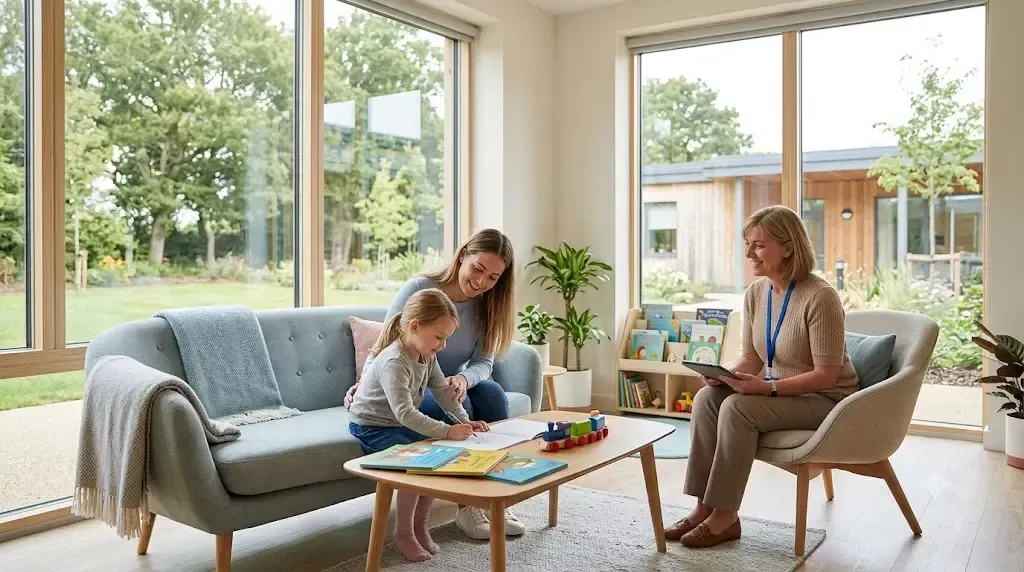
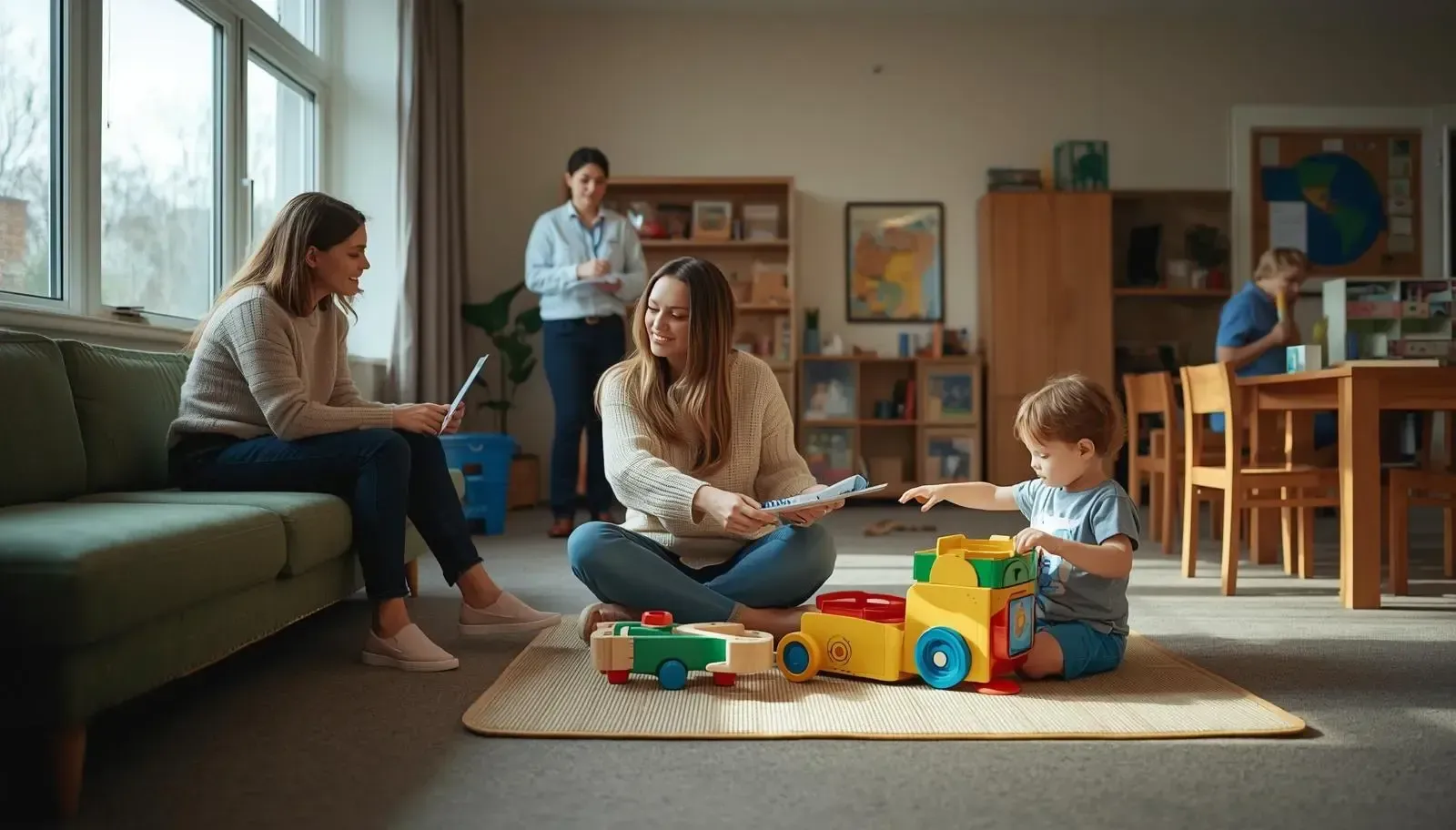
Nucleus Horizons is a residential family assessment centre which are designed for assessment to replicate a family’s everyday life in a structured, safe environment. This approach allows assessors to observe how parents and children interact throughout the day, giving a realistic picture of parenting capacity, routines, and child behavior. Unlike short home visits, a residential assessment gives professionals continuous insight into family dynamics, making it easier to identify strengths, challenges, and areas where support is needed.
Families live in a setting that feels like a real home, yet is monitored and guided by trained professionals. This allows children to feel secure while enabling parents to demonstrate their abilities in practical, everyday situations. By observing the family in this environment, assessors can capture nuances that might be missed in periodic visits, such as how parents manage stress, sibling interactions, or unexpected challenges during daily routines.
Key Components of a Realistic Family Environment:
- Daily Life Observation:
Assessors watch morning routines, meals, homework sessions, playtime, and bedtime to evaluate consistency and care. - Safe, Structured Setting:
Residential family assessment centres provide a controlled, predictable environment, which encourages authentic behavior while keeping children safe. - Professional Oversight:
Trained staff observe interactions and offer guidance to parents, helping them navigate challenges and improve their practical parenting skills. - Simulated Real-Life Scenarios:
Families are presented with everyday situations, such as mealtime conflicts or scheduling challenges, allowing assessors to see problem-solving, adaptability, and emotional responses in real time. - Focus on Child Wellbeing:
Observations focus on children’s emotional, behavioral, and developmental needs, ensuring a holistic assessment of both parenting and child outcomes. - Evidence for Authorities:
Detailed reports from residential assessments provide court-ready information, supporting local authorities and social services in decision-making regarding permanency planning and safeguarding. - Skill Development Opportunities for Parents:
Parents receive structured feedback and coaching, giving them a chance to demonstrate improvements and learn practical parenting strategies they can apply beyond the assessment period.
Better Understanding of Family Dynamics:
Residential family assessment services in Hampshire & Southampton, UK provide professionals with a comprehensive view of how a family functions. By observing parents and children in a structured, home-like environment, assessors can understand communication patterns, relationships, and daily routines. This level of insight is difficult to achieve through short home visits alone, making residential assessments ideal for capturing the full complexity of family interactions.
Key Ways Family Dynamics Are Evaluated:
- Parent-Child Interaction:
Observers note how parents respond to children’s needs, handle conflicts, and encourage independence. - Sibling Relationships:
Interactions between siblings are monitored to assess social skills, sharing, and conflict resolution. - Communication Patterns:
How families communicate during daily routines — mealtimes, play, homework — provides insight into emotional connections and problem-solving approaches. - Handling Stress and Challenges:
Assessors evaluate how parents and children cope with unexpected situations, such as changes in schedule, sibling disputes, or emotional outbursts. - Parental Strengths and Areas for Support:
Observations help identify parenting strengths while highlighting areas where guidance or training may be needed. - Holistic Child Wellbeing:
Understanding family dynamics also involves assessing the child’s emotional, behavioral, and developmental needs, ensuring that both parents’ capacity and children’s wellbeing are considered together.
Mini-Scenario Example:
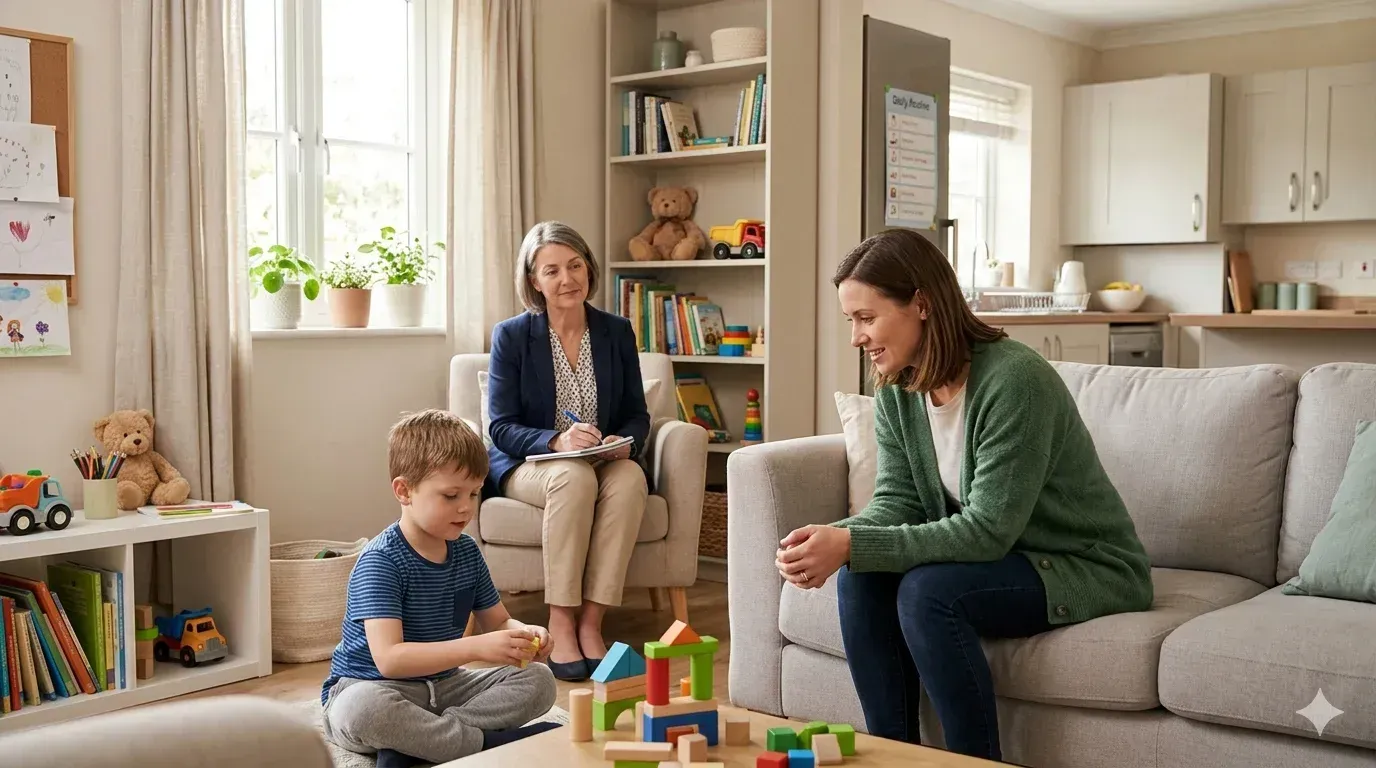
Imagine a family with two children where one child struggles with routines. A residential family assessment unit allows professionals to observe morning routines, mealtime interactions, and playtime conflicts. Assessors can see how parents guide, correct, and support their children, providing a complete picture of family functioning that informs practical recommendations.
Helping Parents Develop Practical Parenting Skills:
Residential parenting assessments do more than just observe families; they provide parents with structured opportunities to improve practical parenting skills. By living in a home-like environment under professional guidance, parents can learn to manage daily routines, handle conflicts, and respond effectively to their children’s needs. This hands-on approach allows assessors to see real progress in parenting capacity, while parents receive feedback they can apply immediately.
Key Ways Parents Develop Skills:
- Guided Daily Routines:
Parents receive coaching on managing morning, mealtime, and bedtime routines effectively, ensuring children experience consistency and structure. - Conflict Resolution and Problem-Solving:
Through everyday challenges and simulated scenarios, parents learn how to handle disputes between siblings, manage tantrums, or respond to unexpected situations. - Parent Assess Training:
Professionals provide short training sessions and feedback to help parents develop practical, real-world skills, reinforcing positive behaviors. - Communication Skills:
Assessors focus on how parents communicate instructions, praise, or correct children, promoting positive parent-child interactions. - Support for Special Needs:
For children with additional needs, such as autism, parents learn tailored strategies to meet their child’s unique requirements, improving outcomes in both residential and later community settings. - Feedback and Reflection:
Parents have the opportunity to reflect on their practices, discuss challenges with assessors, and make adjustments in real-time, which reinforces learning and skill development.
Enhancing Parent-Child Communication:
Residential parenting assessments help parents improve communication with their children in practical, day-to-day situations. By observing parents in a structured, home-like environment, assessors can see how children respond to guidance, praise, or correction. This allows professionals to identify areas where parents can strengthen their communication skills and build stronger, positive relationships with their children.
Ways Parent-Child Communication is Enhanced:
- Active Observation:
Assessors monitor how parents give instructions, listen, and respond to children’s questions or concerns. - Guided Feedback:
Professionals provide constructive feedback on tone, clarity, and consistency, helping parents adjust communication techniques. - Practical Exercises:
Parents may be guided through everyday interactions — mealtimes, play, homework — to practice effective verbal and non-verbal communication. - Conflict Resolution Skills:
Observing how parents manage sibling disputes or challenging behaviors helps them learn calm, consistent strategies to communicate expectations. - Positive Reinforcement Techniques:
Parents are encouraged to use praise and encouragement to reinforce good behavior, helping children feel supported and understood. - Building Emotional Connection:
Residential assessments provide opportunities to strengthen the emotional bond between parents and children, improving trust and responsiveness.
Supporting Emotional and Behavioral Development of Children:
Residential parenting assessments are not just about observing parents; they also support the emotional and behavioral development of children. By living in a structured, home-like environment, children experience consistent routines, supervision, and guidance, which helps assessors understand their emotional needs, responses, and social interactions.
Key Ways Emotional and Behavioral Development is Supported:
- Observation of Daily Interactions:
Assessors watch how children respond to instructions, guidance, and social interactions, helping identify emotional and behavioral patterns. - Identifying Support Needs:
Early identification of emotional or behavioral challenges allows professionals to recommend interventions or guidance for parents. - Structured Environment Benefits:
The controlled, predictable environment of a residential family assessment centre helps children feel safe and supported, encouraging positive behaviors. - Parent-Child Guidance:
Parents receive feedback on how to respond appropriately to emotional cues, manage behavior, and encourage resilience in children. - Social and Emotional Skills Development:
Children learn coping strategies, patience, and communication through interactions observed and guided by professionals.
Preparing Families for Life After Assessment:
A residential parenting assessment is not only about what happens during the stay. A strong assessment also prepares parents and children for what comes next. Once families leave the residential family assessment centre, they need clear routines, practical coping strategies, and realistic support plans that can work in daily life. This helps reduce confusion, lowers the risk of repeated concerns, and gives parents a better chance to maintain progress after the assessment ends.
Residential parenting assessments support families by focusing on skills that continue beyond the assessment period, such as:
- Creating stable home routines
Parents are supported to build consistent routines around meals, school, bedtime, hygiene, and emotional support. These routines help children feel safer and more settled. - Using practical parenting strategies
Parents can learn how to manage behaviour, set boundaries, respond calmly, and support their child’s needs without becoming overwhelmed. - Understanding the child’s needs clearly
A family assessment unit helps identify what the child needs emotionally, physically, and developmentally, so parents can respond in a more informed way. - Planning for ongoing support
Some families may need continued help from social workers, community assessment services, or other professionals after the residential assessment ends. - Reducing future risks
When parents understand their strengths and areas for improvement, they are more likely to make safer decisions and avoid repeating harmful patterns. - Building confidence before returning home
Many parents leave the residential parenting assessment unit with more confidence because they have had time to practise parenting skills with professional guidance.
This stage is important because families should not leave the assessment feeling unsure about the future. A good parenting assessment should give parents clear feedback, practical next steps, and a better understanding of what is expected from them once they return to everyday life.
Building Better Futures for Children and Parents:
Residential parenting assessments help families move towards safer, more stable, and more positive outcomes. They give professionals a clear view of parenting capacity while also giving parents a fair chance to learn, improve, and show progress. For children, this can mean better routines, stronger emotional support, and a more secure care plan. For parents, it can provide practical guidance, confidence, and a clearer understanding of what their child needs.
A residential family assessment centre does not only focus on identifying concerns. It also helps families build stronger foundations for the future through observation, support, and evidence-based recommendations.
Key ways residential assessments support better futures include:
- Supporting safer decisions for children
The assessment helps professionals understand whether a child’s needs are being met safely and consistently. - Helping parents recognise their strengths
Parents can see what they are already doing well, which helps build confidence and encourages positive change. - Identifying areas that need support
Assessors can highlight concerns around routines, emotional responses, boundaries, or communication before they become bigger problems. - Improving long-term parenting capacity
Through guidance and feedback, parents can develop skills that support everyday care beyond the assessment period. - Providing evidence for important decisions
Reports from parenting assessments can support social workers, courts, and local authorities when making decisions about a child’s future. - Keeping the child’s wellbeing at the centre
Every recommendation should focus on the child’s emotional, physical, and developmental needs. - Creating clearer plans after assessment
Families may need continued support through social services, a family assessment unit, or community-based services after leaving the residential setting.
In the long term, the real benefit of a residential parenting assessment is clarity. Parents understand what needs to change, professionals receive reliable evidence, and children have a better chance of growing up in a safe, stable, and supportive environment.
Building Confidence and Practical Skills for Parents:
Residential parenting assessments can help parents feel more capable, not just more observed. Many parents enter the process feeling anxious, judged, or unsure about what is expected from them. A structured residential family assessment centre gives them the chance to practise parenting skills in real situations, receive guidance, and understand where improvement is needed. Over time, this can build confidence because parents are not only told what to change, they are shown how to apply it.
This support can be especially useful when parents need help with daily routines, boundaries, emotional responses, or understanding their child’s needs.
Key ways residential assessments build confidence and skills include:
- Learning through real daily routines
Parents practise feeding, bathing, school preparation, playtime, and bedtime routines while professionals observe and guide them. - Receiving clear, practical feedback
Instead of vague advice, parents receive specific feedback about what worked well and what needs improvement. - Improving decision-making
Parents learn how to respond calmly to difficult moments, such as tantrums, refusal, tiredness, or sibling conflict. - Building emotional confidence
When parents start seeing progress, they often feel more confident in their ability to care for their child safely and consistently. - Developing stronger communication skills
Through supported interaction, parents can learn how to give instructions, listen properly, set boundaries, and use positive reinforcement. - Understanding parenting expectations
Residential parenting assessments help parents understand what social workers, courts, and professionals are looking for when assessing parenting capacity. - Preparing for life beyond the assessment
The goal is not only to perform well during the assessment. Parents should leave with practical skills they can use at home, in the community, and during future support work.
This is where parent assess training and professional guidance become important. When parents are supported in a structured setting, they have a better chance to show progress, understand their responsibilities, and build safer routines for their children. A strong residential parenting assessment unit can therefore help families move forward with more clarity, confidence, and practical ability.
Integrating Support Beyond the Assessment Period:
A residential parenting assessment should not end the moment a family leaves the centre. The real value comes when parents can continue using what they learned in everyday life. This is why ongoing support, clear planning, and links with social workers or community assessment services are important. Without follow-up support, even positive progress during the assessment can become harder to maintain at home.
Support beyond the assessment period helps families stay focused, stable, and better prepared for long-term change.
Key areas of continued support may include:
- Clear next steps for parents
Parents should leave the residential family assessment centre with practical guidance, not confusion. This may include routines, parenting strategies, safety planning, and expectations from professionals. - Ongoing social work involvement
In some cases, parent assessment social services may continue monitoring progress after the residential stay to make sure improvements are being maintained. - Connection with community services
Families may be referred to community assessment services, parenting programmes, mental health support, housing support, or child development services depending on their needs. - Support with parenting capacity
A parenting capacity assessment may highlight areas where parents still need help, such as emotional regulation, communication, boundaries, or managing daily routines. - Reducing the risk of setbacks
Continued support can help parents manage stress, avoid old patterns, and respond better when challenges happen at home. - Helping children adjust after the assessment
Children also need stability after leaving a structured environment of children's assessment centre. Consistent routines, emotional reassurance, and clear care plans help them feel safe. - Keeping professionals informed
Good follow-up allows social workers, courts, and local authorities to understand whether progress is continuing outside the residential parenting assessment unit.
Integrating support after the assessment is important because families need more than a final report. They need a realistic plan that helps them carry progress into normal life. When residential parenting assessments are linked with the right aftercare and community support, children and parents have a stronger chance of long-term stability.
Frequently Asked Questions (FAQs)
What are residential parenting assessments?
Residential parenting assessments are structured assessments where parents and children stay in a supervised setting while professionals observe daily care, routines, communication, and parenting capacity. They help social workers, local authorities, and courts understand whether parents can meet their child’s needs safely and consistently.
How does a residential family assessment centre help parents?
A residential family assessment centre gives parents practical guidance while they care for their child in real situations. Parents can receive feedback on routines, boundaries, emotional responses, communication, and child safety, which helps them improve during the assessment.
Why are parenting assessments important for children?
Parenting assessments are important because they focus on the child’s safety, emotional wellbeing, and long-term stability. They help professionals understand what support a child needs and whether parents can provide safe and consistent care.
What skills can parents learn during a residential assessment?
Parents may learn skills such as managing routines, responding to challenging behaviour, setting boundaries, improving communication, and understanding their child’s emotional needs. This support can help parents build confidence and practical parenting ability.
Can residential parenting assessments support court decisions?
Yes. A parenting assessment for court can provide clear evidence about parenting capacity, family dynamics, and the child’s needs. These reports can help courts and local authorities make informed decisions about care planning and safeguarding.
What happens after a residential parenting assessment ends?
After the assessment, families may receive recommendations for continued support. This could include community assessment services, social work involvement, parenting support, or other services that help parents maintain progress at home.
Are residential parenting assessments only for high-risk families?
Not always. They are often used when a case needs close observation, but they can also support families who need structured help to improve parenting skills. The aim is to assess fairly while keeping the child’s needs at the centre.
Conclusion:
Residential parenting assessments play an important role in helping children and parents move towards safer, more stable outcomes. They give professionals a clear view of parenting capacity while also giving parents the chance to learn, improve, and show how they respond to their child’s needs in real situations.
A residential family assessment centre provides more than observation. It creates a structured environment where families can build routines, improve communication, develop practical parenting skills, and prepare for life after the assessment. This makes the process useful for parents, children, social workers, and courts.
The main benefits include:
- Clearer understanding of family dynamics
- Better support for children’s emotional and behavioural needs
- Practical guidance for parents
- Stronger evidence for decision-making
- Improved preparation for long-term stability
In the end, the goal of parenting assessments is not only to identify concerns. The real purpose is to support better decisions, safer care planning, and stronger futures for children and families. When assessments are handled with care, structure, and evidence, they can help parents understand what needs to change and help children receive the stability they need.
“Get the Guidance You Need to Support Your Family”
Share On