How Local Authorities Use Family Assessment Reports
Family assessment reports play an important role in helping local authorities make safe, informed, and child-focused decisions. These reports bring together professional observations, parenting assessments, family strengths, possible risks, and the support a parent may need to care for their child safely.
For families placed in a residential family assessment centre or residential family assessment unit, the report gives social workers and courts a clearer picture of daily parenting, routines, emotional care, safety awareness, and the parent’s ability to respond to guidance. This helps local authorities understand what is working well, what concerns remain, and what steps may be needed next.
A well-prepared family assessment report is not just a summary of events. It is an evidence-based document that supports planning, protects children, and helps professionals make fair decisions about a child’s future.
Understanding Family Assessment Reports:
A family assessment report is a professional document used to help local authorities, social workers, and courts understand a family’s situation more clearly. It brings together observations, concerns, strengths, risks, and recommendations in one structured report.
In a residential family assessment centre, this report is often based on day-to-day observations of parenting. Staff may look at how parents respond to their child’s needs, manage routines, keep the child safe, accept guidance, and build emotional connection. This gives professionals a clearer view of parenting capacity than a short meeting or single home visit can provide.
These reports are especially important when decisions need to be made about a child’s safety, care plan, or long-term future.
What a Family Assessment Report Includes?
A family assessment report usually includes information gathered from direct observation, professional judgement, and ongoing parenting assessments. The exact content may vary depending on the referral, but it often covers:
- The reason for the assessment
- Family background and current circumstances
- Parenting strengths and areas of concern
- Daily care routines, including feeding, hygiene, sleep, and supervision
- Emotional warmth and attachment between parent and child
- The parent’s ability to understand and respond to the child’s needs
- Risk factors, safeguarding concerns, and protective factors
- The parent’s response to advice, support, and boundaries
- Progress made during the assessment period
- Clear recommendations for next steps
For local authorities, this information helps build a fuller picture of whether a parent can provide safe, consistent, and child-focused care. In some cases, the report may also support a parenting capacity assessment or parenting assessment for court.
Why Reports Must Be Clear, Evidence-Based, and Child-Focused?
Family assessment reports must be written with clarity because they can influence important decisions about a child’s life. Social workers, legal professionals, guardians, and courts need to understand what has been observed, why it matters, and how it affects the child’s safety and wellbeing.
An evidence-based report does not rely on opinion alone. It should explain what happened, when it happened, how often concerns were seen, and how parents responded to support. This makes the report fairer, more balanced, and easier for professionals to rely on.
Most importantly, the report must stay child-focused. The central question is always whether the child’s needs are being met safely and consistently. A strong report looks at the parent’s progress, but it also keeps the child’s emotional, physical, and developmental needs at the centre of every recommendation.
Why Local Authorities Request Parenting Assessments?
Local authorities request parenting assessments when they need a clearer understanding of a parent’s ability to meet their child’s needs safely and consistently. These assessments help professionals look beyond one incident or concern and understand the wider family situation, including strengths, risks, support needs, and the parent’s capacity to make positive changes.
A parenting assessment may take place in the community, within a child and parent assessment centre, or through a residential family assessment centre when closer observation is needed. The purpose is not only to identify concerns. It is also to understand what support could help the family and what plan would best protect the child.
Safeguarding Concerns:
Safeguarding is one of the main reasons a local authority may request a parenting assessment. Concerns may relate to neglect, unsafe home routines, poor supervision, emotional harm, domestic abuse, substance misuse, mental health difficulties, or a parent struggling to understand the child’s needs.
Through structured parenting assessments, professionals can observe how risks affect daily care. This may include how a parent responds when a child is upset, whether safe routines are followed, and whether the parent can place the child’s needs first.
A residential family assessment unit can be helpful when professionals need a more detailed picture of parenting in everyday situations. Instead of relying only on meetings or short visits, staff can observe care, interaction, boundaries, and safety over time.
Court-Directed Parenting Assessments:
Some parenting assessments are requested as part of court proceedings. In these cases, the court may need clear evidence about parenting capacity, risk, progress, and whether a child can safely remain with or return to their parent’s care.
A parenting assessment for court must be balanced, detailed, and based on evidence. It should explain what has been observed, what support was offered, how the parent responded, and whether change appears realistic and sustainable.
These reports can help the court understand:
- The parent’s ability to provide safe and consistent care
- The child’s emotional, physical, and developmental needs
- Any risks that remain unresolved
- The parent’s willingness and ability to work with professionals
- Whether further support, supervision, or alternative planning is needed
For this reason, reports from a residential parenting assessment centre can play an important role in legal decision-making.
Support Planning Before Decisions Are Made:
Local authorities do not request parenting assessments only to identify risk. They also use them to plan the right support before final decisions are made about a child’s future.
A good assessment helps professionals understand what the parent can do well, where they need help, and whether practical support could improve care. This might include parenting guidance, routine-building, emotional support, safety planning, or specialist services.
Before making long-term decisions, local authorities need to know whether parents can learn, adapt, and maintain safer parenting over time. A clear parenting capacity assessment helps answer these questions and supports fairer planning for both the child and the family.
The Role of a Residential Family Assessment Centre:
A residential family assessment centre gives local authorities a safer and more structured way to understand how a parent cares for their child in everyday life. Instead of judging a family from one meeting or one difficult moment, professionals can observe the full picture over time.
This type of setting can be helpful when there are concerns about parenting capacity, safety, routines, or the parent’s ability to respond to support.
Observation in a Safe Family Setting:
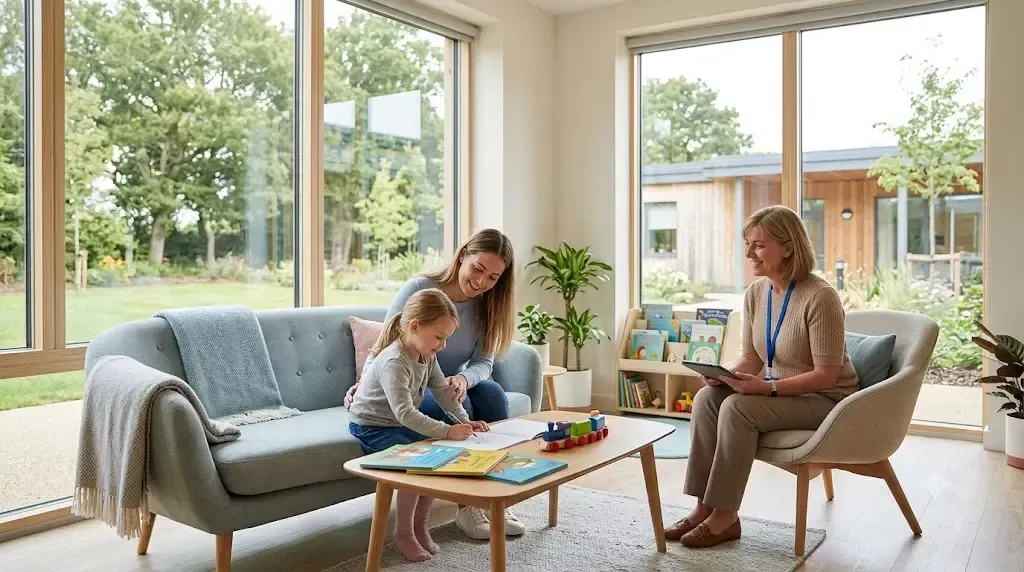
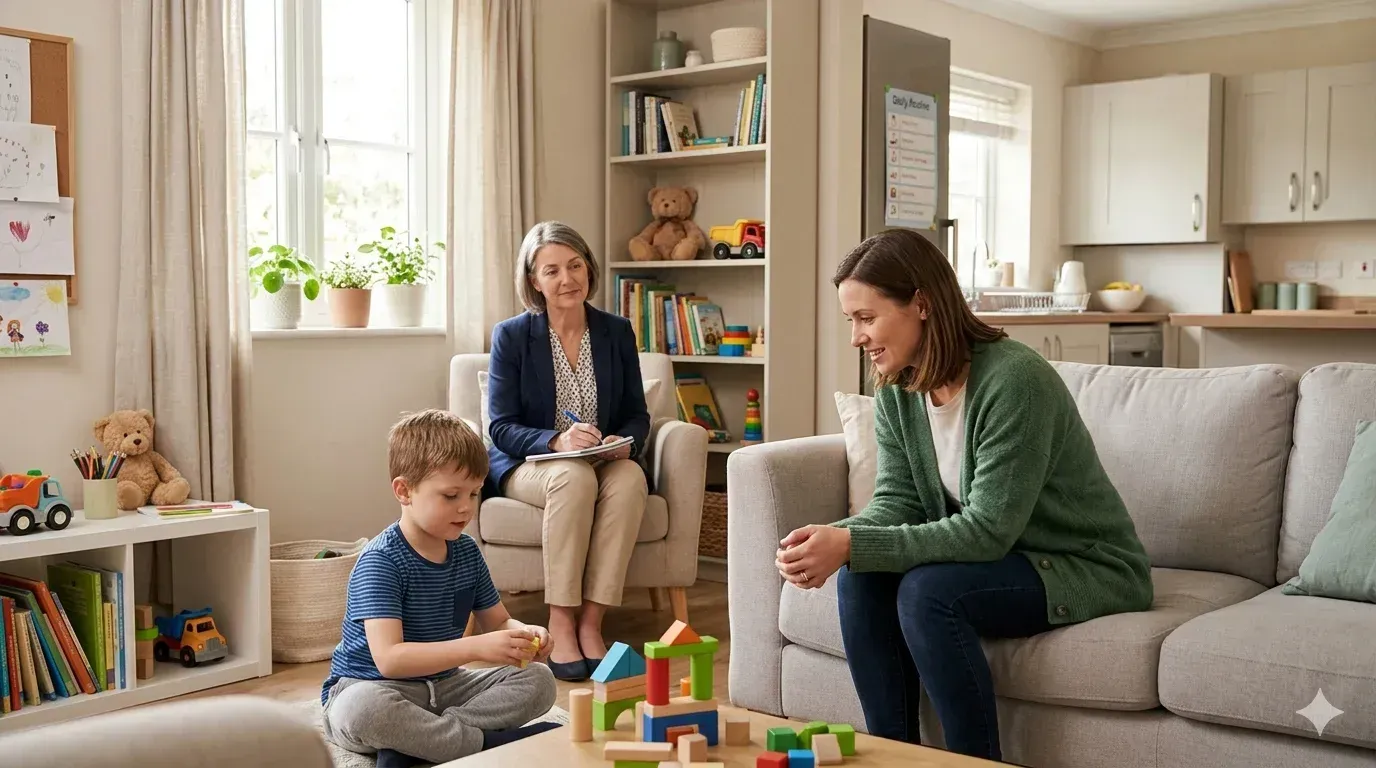
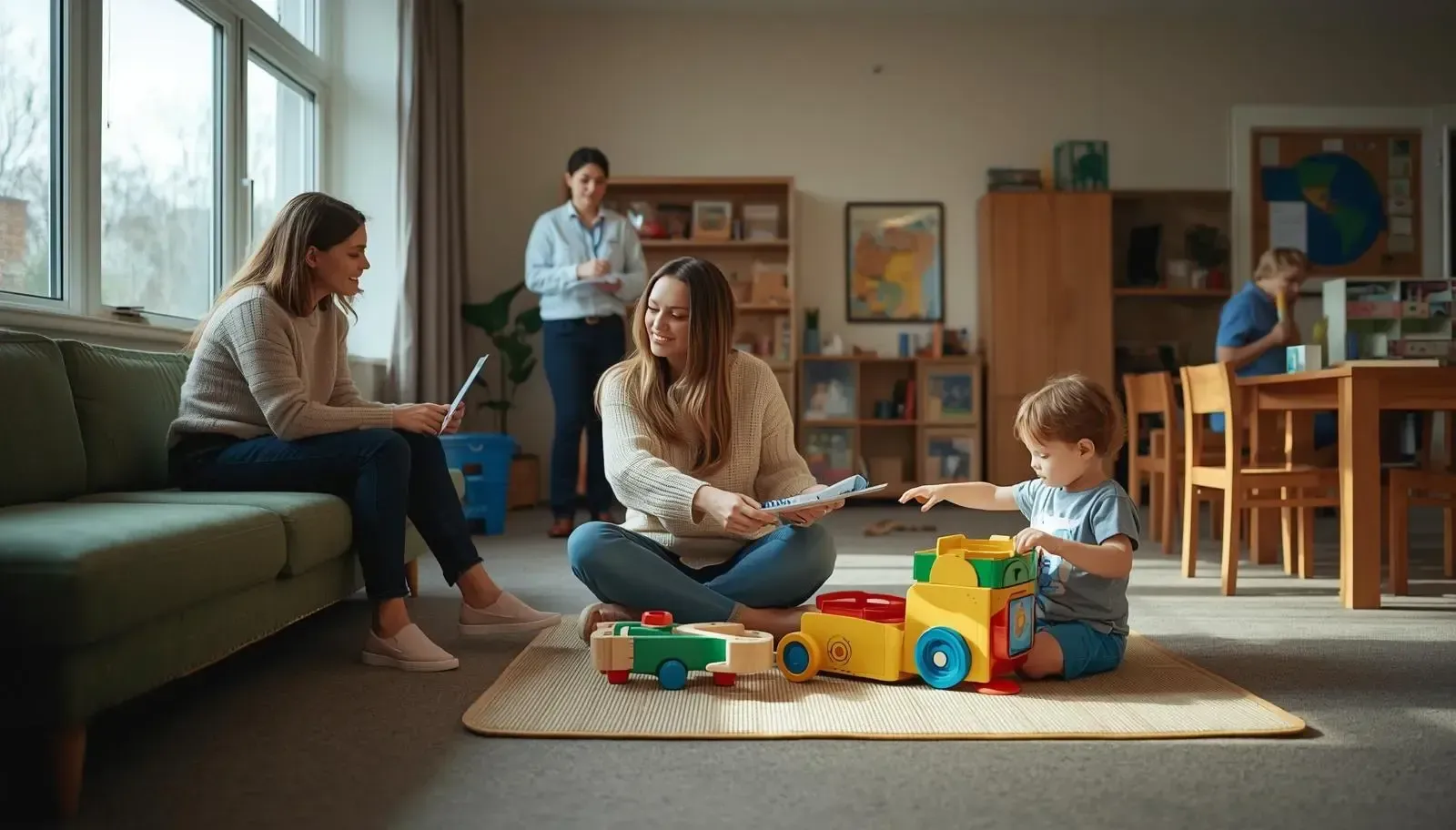
In a residential family assessment centre, parents and children stay in a supported environment where trained staff can observe daily care in a calm and fair way.
Staff may look at things such as:
- how the parent responds when the child cries or becomes unsettled
- whether feeding, bathing, and bedtime routines are safe
- how the parent manages stress or difficult moments
- whether the child receives warmth, attention, and comfort
- how the parent accepts advice from staff
The purpose is not to catch parents out. The aim is to understand what support they need, what they are already doing well, and whether the child’s needs are being met safely.
Daily Parenting Routines, Risk, and Capacity to Change:
Parenting is not only about big decisions. It is also about the small daily routines that keep a child safe and settled.
A residential family assessment unit helps professionals see how parents manage:
- morning and bedtime routines
- meals and hygiene
- supervision and safety
- emotional care
- boundaries and behaviour
- appointments and communication with professionals
These everyday moments show whether risks are reducing and whether the parent can make positive changes. If a parent listens to guidance, learns new skills, and keeps using them consistently, this can be an important sign of progress.
How a Residential Family Assessment Unit Supports Decision-Making?
Local authorities need clear evidence before making serious decisions about a child’s future. A residential family assessment unit gives them detailed information based on real observations, not assumptions.
The final report can help social workers and courts understand:
- what the parent can manage independently
- where support is still needed
- whether the child is safe in the parent’s care
- whether change has been consistent
- what plan may be best for the child
This helps decisions stay fair, balanced, and child-focused. For many families, the assessment also gives parents a chance to show their strengths, receive support, and work towards safer care for their child.
Theek hai bhai, samajh gaya. Main pattern change karta hun: kam generic bullets, zyada natural flow, aur thora human tone.
Informing Court and Legal Proceedings:
Family assessment reports often become an important part of court and legal proceedings, especially when decisions need to be made about a child’s safety, care, or long-term future. Local authorities use these reports to give the court a clear picture of what has been observed during the assessment, how the parent has responded to support, and whether the child’s needs are being met safely.
Parenting Assessment for Court:
A parenting assessment for court helps explain a parent’s current ability to care for their child. It does not focus only on mistakes or concerns. It also looks at strengths, progress, and whether the parent can make changes that last.
For example, the assessment may show whether a parent can:
- follow safe daily routines
- understand the child’s emotional needs
- respond calmly during stressful moments
- accept advice from professionals
- keep the child’s welfare as the main priority
This gives the court a more complete view of family life.
Evidence for Care Proceedings:
In care proceedings, decisions must be based on reliable evidence. A report from a residential family assessment centre can help because it includes observations from real daily situations, not just short appointments or single visits.
The report may describe:
- what support was offered
- how the parent responded
- what progress was made
- what risks remained
- how the child appeared during the placement
- what further support may be needed
This type of evidence helps social workers, guardians, and legal professionals understand the situation more fairly.
Helping Courts Understand Parenting Capacity:
Parenting capacity means more than being able to manage one part of care. It means being able to meet the child’s needs safely, consistently, and with emotional understanding.
A strong parenting capacity assessment helps the court see whether positive change is realistic. It also helps explain whether the parent can continue safe routines after the assessment ends.
This matters because the final decision is not only about the parent. It is mainly about what will give the child safety, stability, and the best chance of healthy development.
Guiding Permanency Planning for Children:
One of the most important uses of a family assessment report is helping local authorities plan a stable and secure future for a child. This process is often referred to as permanency planning.
Every child needs consistency, safety, and a sense of belonging. Before decisions are made about where a child will live or who will care for them long term, professionals need a clear understanding of the family's circumstances and the parent's ability to meet the child's needs.
Information gathered through parenting assessments can help local authorities decide which option is most likely to provide stability and positive outcomes for the child.
Reunification with Parents:
In many cases, the goal is to help children remain with or return to their parents whenever it is safe to do so.
A family assessment report can help identify:
- progress made by the parent
- improvements in parenting skills
- willingness to engage with support
- ability to provide safe and consistent care
- reduction of previous risks or concerns
When the assessment shows that a parent has made meaningful and sustainable changes, local authorities may consider reunification as part of the child's long-term plan.
The focus is always on whether the child can safely thrive within their family environment.
Long-Term Family Support Plans:
Sometimes an assessment shows that a child can remain with their parent, but ongoing support may still be needed.
Rather than focusing solely on risk, family assessment reports also help professionals understand what practical support could strengthen family stability in the future.
This may include:
- parenting support programmes
- family intervention services
- mental health support
- substance misuse services
- community assessment services
- regular social work involvement
Creating the right support plan can help families build on their strengths while addressing areas where additional guidance may be beneficial.
Alternative Care Planning Where Needed:
There are situations where an assessment identifies ongoing concerns that cannot be resolved within a timeframe that meets the child's needs.
When this happens, local authorities must consider alternative care arrangements that provide greater stability and protection for the child.
A family assessment report may help professionals evaluate:
- the level of ongoing risk
- the parent's ability to sustain change
- the child's immediate and long-term needs
- available family or kinship support options
- alternative care arrangements that may be appropriate
Although these decisions can be difficult, the purpose of the assessment is to ensure that every decision remains child-focused and supports the child's safety, wellbeing, and long-term development.
By providing balanced evidence and professional recommendations, family assessment reports help local authorities make informed permanency decisions that place the child's best interests at the centre of the planning process.
Monitoring Progress and Change Over Time:
A family assessment report does not only record what happened at the start of the assessment. It also shows how things changed over time. This is important because local authorities need to understand whether a parent is improving, staying the same, or finding it difficult to maintain safe care.
In a residential family assessment centre, staff can observe daily parenting over a longer period. This helps professionals see patterns, not just one-off moments.
Identifying Strengths and Concerns:
Every family assessment should look at both strengths and concerns. A balanced report should not only focus on what went wrong. It should also show what the parent can do well and where they have made progress.
For example, the report may highlight strengths such as:
- building a warm relationship with the child
- following routines more consistently
- asking for help when unsure
- keeping appointments
- responding better to the child’s needs
It may also record concerns such as:
- unsafe supervision
- difficulty managing stress
- missed routines
- poor response to advice
- repeated safeguarding concerns
This balanced view helps local authorities make fairer decisions.
Measuring Parent Engagement and Learning:
Progress is not only about attending sessions. It is also about how the parent uses the support offered to them.
Professionals may look at whether the parent:
- listens to advice
- asks questions
- applies guidance in daily care
- accepts responsibility where needed
- shows insight into concerns
- keeps using new skills without constant reminders
This is especially important in parenting assessments because a parent may understand advice in theory, but the assessment needs to show whether they can apply it in real life.
Understanding Whether Change Is Sustainable:
One of the key questions in any parenting capacity assessment is whether positive change can continue after the assessment ends.
A parent may make progress while support is close by. Local authorities also need to know whether that progress is likely to continue when supervision reduces.
A report may consider:
- whether routines have become consistent
- whether safety advice is followed without reminders
- whether the parent can manage stress more calmly
- whether the child’s needs remain the main priority
- whether further support is needed in the community
This helps local authorities decide whether the family can safely move forward, whether community assessment services are needed, or whether another plan should be considered for the child.
Residential Assessment vs Community Assessment Services:
Local authorities may use either a residential assessment or community assessment services depending on the level of concern, the child’s needs, and how much observation is required.
Both options can support parenting assessments, but they work in different ways.
When Residential Parenting Assessment May Be Needed:
A residential parenting assessment may be suitable when professionals need closer day-to-day observation in a safe setting.
This may be needed where there are concerns about:
- the child’s immediate safety
- daily routines and supervision
- neglect or inconsistent care
- the parent’s ability to manage stress
- the parent’s response to guidance
- whether positive change can be maintained
In a residential family assessment centre, staff can observe real parenting moments such as feeding, bedtime, hygiene, emotional care, and safety routines. This gives local authorities a clearer picture than short visits alone.
When Community Assessment Services May Be Suitable:
Community assessment services may be suitable when the child can remain safely at home while support and assessment take place.
This approach may work well when:
- risks are lower or already managed
- the parent has stable housing
- the family can engage with appointments
- support can be provided safely in the community
- professionals do not need 24-hour observation
Community-based assessments can help families build routines in their own home environment. They may also support parents with practical guidance while allowing professionals to monitor progress over time.
The right option depends on the child’s safety, the level of risk, and what type of evidence local authorities need before making decisions.
How Reports Support Social Workers and Professionals?
Family assessment reports give social workers and professionals a clearer base for planning. Instead of relying on scattered updates or separate views, the report brings key observations, risks, progress, and recommendations into one place.
This helps everyone involved understand the child’s situation more clearly and make decisions with more confidence.
Clear Recommendations for Next Steps:
A strong report does more than describe what happened during the assessment. It should also explain what may need to happen next.
For social workers, this can make planning easier. The report may show whether a family needs continued support, closer monitoring, a step-down plan, or further assessment.
The recommendations should be practical and linked to real observations. This makes them easier to use in care planning, referral discussions, and professional meetings.
Evidence for Multi-Agency Planning:
Many children and families are supported by more than one service. This may include social care, health professionals, education, legal teams, and family support workers.
A family assessment report helps these professionals work from the same evidence. It can show:
- what support has already been offered
- how the parent responded
- what risks have reduced
- what concerns still need attention
- what the child may need next
This keeps discussions more focused and helps reduce mixed messages between professionals.
Supporting Consistent Decision-Making:
Consistent decisions are important in children’s cases because delays or unclear planning can affect the child’s stability.
A clear report helps social workers and professionals understand the same facts, the same concerns, and the same progress. This supports better planning and helps avoid decisions based on assumptions.
In this way, reports from a residential family assessment centre can support fairer, more joined-up decision-making across the whole professional network.
What Makes a Strong Parenting Capacity Assessment Report?
A strong parenting capacity assessment report should be easy for professionals to understand and useful for planning. It should not feel like a long list of opinions. It should clearly show what was seen, what it means for the child, and what needs to happen next.
The best reports are clear, balanced, and practical.
Clear Observations:
Clear observations are the foundation of a strong report. The report should explain real examples from the assessment, not vague statements.
For example, instead of saying a parent “struggled with routines,” the report should explain what happened:
- Was the child regularly fed on time?
- Were bedtime routines followed?
- Was the child supervised safely?
- Did the parent respond when the child needed comfort?
- Did routines improve after guidance?
This helps social workers and courts understand the evidence behind the assessment.
Balanced Professional Judgement:
A good report should not focus only on concerns. It should also recognise strengths, effort, and progress where they are present.
Balanced judgement may include:
- what the parent did well
- what improved during the assessment
- what concerns remained
- how the child responded
- whether risks reduced over time
This makes the report fairer and more useful. It also helps local authorities see the full picture before making decisions.
Practical Recommendations:
A strong report should end with recommendations that can actually be used in planning.
These recommendations may guide:
- ongoing parenting support
- community assessment services
- contact arrangements
- safety planning
- further specialist support
- next steps for the child’s care plan
Practical recommendations should connect directly to the evidence in the report. This helps professionals move from assessment to action with more clarity.
Frequently Asked Questions (FAQs)
Who uses a family assessment report?
A family assessment report is used by social workers, local authorities, family courts, solicitors, and child welfare professionals to understand a family’s situation and parenting capacity.
Can a family assessment report be used in court?
Yes, a family assessment report can be used in court to support decisions about child safety, parenting ability, care planning, and the child’s best interests.
What is included in parenting assessments?
Parenting assessments usually include parenting skills, child safety, emotional care, routines, home environment, family background, risks, and support needs.
Why do local authorities refer families to a residential parenting assessment centre?
Local authorities refer families to a residential parenting assessment centre when they need to observe parenting capacity, child care, and family routines in a safe, supervised setting.
What is the difference between a family assessment unit and children’s residential homes?
A family assessment unit assesses parents and children together, while children’s residential homes provide care for children who cannot live with their parents at that time.
Conclusion:
A family assessment report helps professionals understand a family’s needs, strengths, risks, and parenting capacity. It supports better decisions around child safety, care planning, and the right level of support for parents and children.
Whether the assessment takes place in the community or at a residential parenting assessment centre, the main goal is to protect the child’s wellbeing while giving families a fair chance to show their ability to provide safe and stable care.
“Get the Guidance You Need to Support Your Family”
Share On