Choosing the Right Residential Family Assessment Centre
Choosing the right residential family assessment centre is an important decision for everyone involved in a child’s care. It is not just about finding a place for a family to stay. It is about making sure the child is safe, the parents are treated fairly, and the assessment gives clear, reliable evidence for social workers, local authorities and the court.
A good family assessment centre should provide a safe and supportive environment where parenting can be observed in everyday situations. This helps professionals understand a parent’s strengths, identify any concerns, and decide what support may be needed. For parents, the right centre can also make the process feel less overwhelming by offering guidance, structure and clear communication.
What a Family Assessment Centre Does?
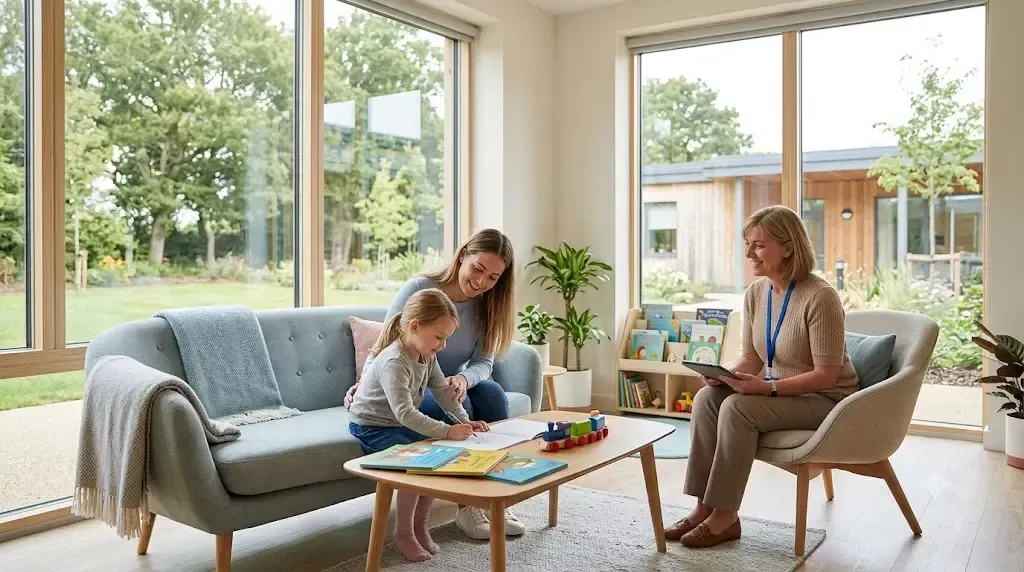
A family assessment centre provides a safe residential setting where parents and children can stay together while parenting skills, routines and family relationships are assessed. The aim is not only to observe what happens, but also to understand what support a family may need.
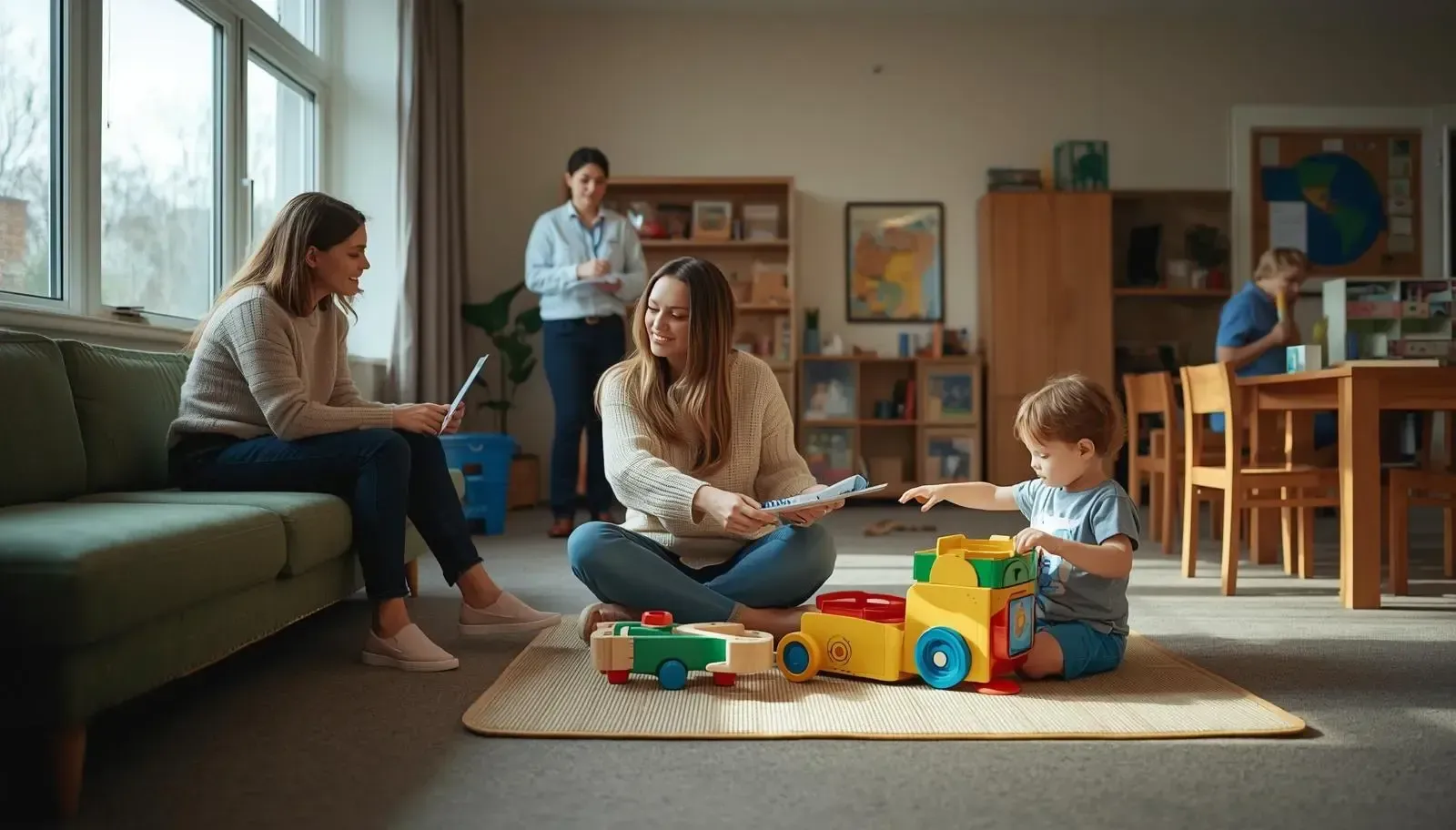
During the assessment, staff look at everyday parenting tasks such as feeding, hygiene, emotional warmth, safety awareness, routines and how parents respond to their child’s needs. This helps build a clear picture of parenting capacity in real-life situations.
Residential Parenting Assessment Explained:
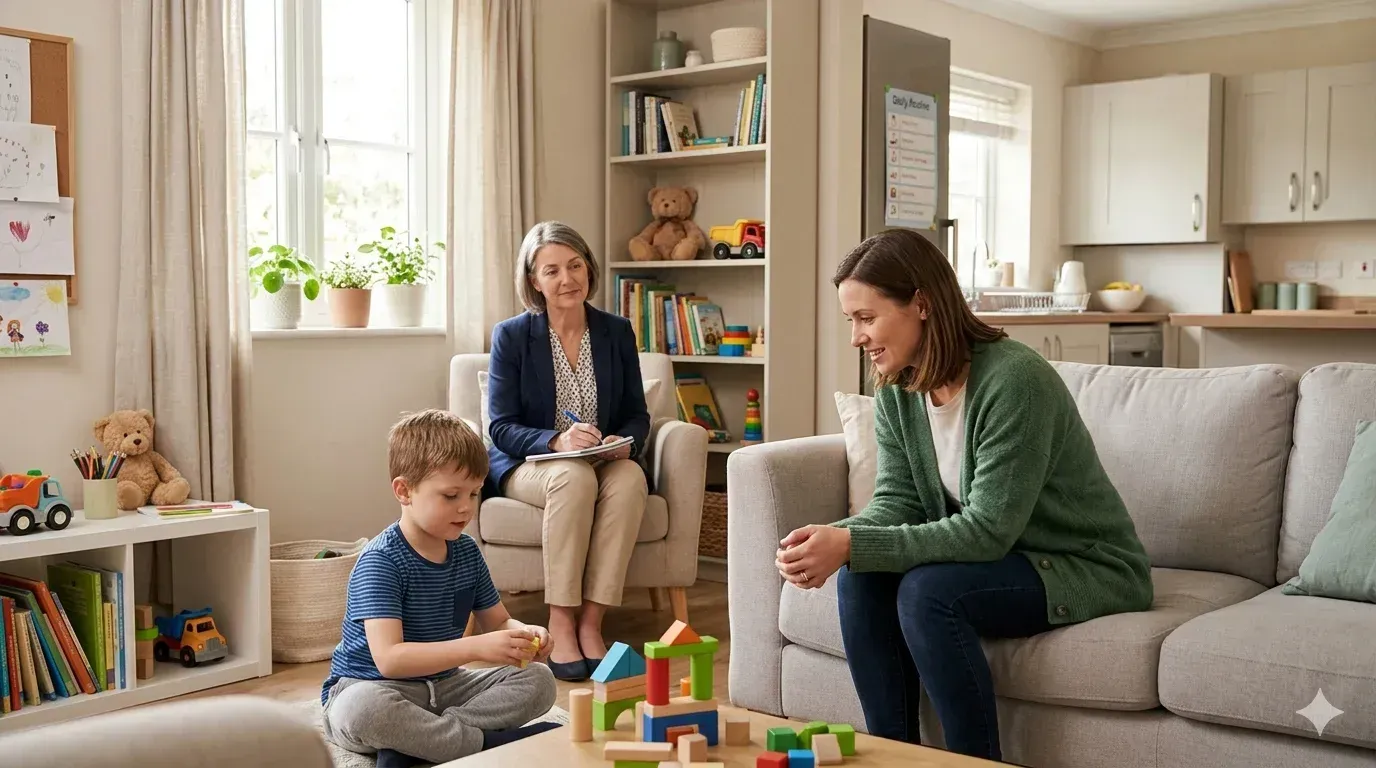
A residential parenting assessment gives professionals the opportunity to observe family life over a period of time. Unlike a short visit or meeting, it allows staff to see how parents manage daily routines, stress, boundaries and their child’s needs in a more natural setting.
How Parenting Assessments Support Court and Social Services:
Parenting assessments provide structured evidence for social services and the court. They help professionals understand whether parents can safely care for their child, what progress has been made, and what support may still be needed.
Difference Between a Family Assessment Unit and Children’s Homes:
A family assessment unit is different from children’s homes. In a family assessment centre, the focus is usually on assessing and supporting the parent and child together. Children’s homes, on the other hand, are mainly for children who need to live away from their parents or family carers.
When a Residential Family Assessment Centre May Be Needed:
A residential family assessment centre may be needed when a family needs extra support and professionals need more time to understand how parents care for their child. Sometimes, a short home visit or meeting does not show the full picture. A residential setting gives parents and children a safe place to stay while daily routines, care and family relationships are observed properly.
This type of centre may be helpful when there are concerns about:
- child safety and wellbeing
- parenting routines and boundaries
- feeding, hygiene, bedtime and daily care
- emotional warmth and parent-child bonding
- how parents respond to advice and support
- whether the child’s needs are being met
- what level of support the parent may need
A residential parenting assessment centre can also support parenting assessments, including a parenting capacity assessment, where social workers or the court need clearer evidence. This may happen during parent assessment social services involvement or when a parenting assessment for court is required.
In some cases, community assessment services may be enough. But when the situation is more complex, or when closer observation is needed, a residential family assessment unit can provide a safer and more structured setting.
Key Factors to Consider Before Choosing a Centre:
The centre should not only provide a safe place for parents and children to stay, but also offer fair assessments, clear support and reliable reporting. Before making a referral, it is helpful to look at how the centre works, who leads the assessment and how families are supported during their stay.
Safety and Safeguarding:
Safety should always come first. A good centre should have clear safeguarding procedures, safe accommodation and staff who understand how to protect children while also supporting parents. The environment should feel secure, calm and suitable for family life.
Staff Experience:
The quality of the assessment often depends on the experience of the staff team. Skilled staff should understand parenting assessments, child development, safeguarding concerns and the pressures families may face. Their role is to observe fairly, guide parents and record progress clearly.
Assessment Model:
Every centre should have a clear assessment model. This helps parents, social workers and the court understand what is being assessed and how evidence is gathered. A strong model should look at parenting capacity, daily routines, emotional care, safety, and the parent-child relationship.
Parent Support:
A good family assessment unit should not only observe parents, but also support them. Parents may need guidance with routines, feeding, boundaries, budgeting, appointments or understanding their child’s needs. Support should be practical, respectful and easy to understand.
Child-Focused Planning:
The child’s wellbeing should stay at the centre of every decision. The centre should consider the child’s safety, emotional needs, development, routine and relationships. Good planning helps professionals understand what is best for the child, not just during the assessment but also after it ends.
Court-Ready Reporting:
Reports should be clear, balanced and evidence-based. A strong parenting assessment for court should explain what has been observed, what progress has been made, what concerns remain and what support may be needed. This helps local authorities, social workers and the court make fair and informed decisions.
Capacity and Responsiveness of the Centre:
When choosing a parenting assessment centre, it is important to consider how quickly the centre can respond to a referral and whether it has the right support available for the family. Some cases may be urgent, so clear communication and availability matter.
How Quickly the Centre Can Accept Referrals:
A good centre should be able to explain its referral process clearly, including availability, timescales and what information is needed before admission.
Matching the Family’s Needs with Available Support:
Every family is different. The centre should consider the parent’s needs, the child’s age, safeguarding concerns and any extra support required before accepting a placement.
Staffing Levels and 24/7 Support:
A strong residential parenting assessment centre should have suitable staffing levels and support available throughout the day and night, especially where families need closer observation or guidance.
Communication with Professionals:
Clear updates are important for social workers, local authorities and the court. The centre should communicate progress, concerns and next steps in a timely and professional way.
Checking Regulations, Registration and Safeguarding Standards:
It is important to check that the family assessment centre follows the right rules and safeguarding standards. In England, residential family centres must be registered with Ofsted, and providers are expected to meet the legal requirements for this type of service.
A centre should work in line with the Residential Family Centres Regulations 2002 and the National Minimum Standards. These standards help make sure that families are assessed fairly, children are protected, and the environment is safe and suitable.
When reviewing a centre, it is helpful to look for:
- Ofsted registration and inspection information
- clear safeguarding policies
- safe and suitable accommodation
- trained staff and good supervision
- a clear complaints process
- regular monitoring of care and assessment quality
Strong residential family assessment centre regulations are there to protect children, support parents and give professionals confidence in the assessment process. A well-regulated centre should be able to explain how it keeps children safe, how concerns are managed, and how families can raise complaints if they need to.
Staff Experience and Professional Expertise:
Staff experience is one of the most important things to check when choosing a Children's assessment centre. The building may be safe and well managed, but the quality of the assessment depends on the people supporting and observing the family every day.
A good centre should have staff who understand children, parents and the pressure families may be under during an assessment. This includes qualified social workers, key workers and support staff with experience in parenting assessments, safeguarding and child development.
It is also important to ask whether the team has experience with more complex family needs, such as:
- learning difficulties
- mental health needs
- past trauma
- domestic abuse concerns
- substance misuse history
- difficulties with routines or boundaries
- children with additional needs
The right staff should not only record concerns. They should also give parents clear guidance, explain what is expected, and support them in a calm and respectful way.
Support for Children in a Children’s Assessment Centre:
A children’s assessment centre should always keep the child’s needs at the heart of the assessment. While parents are being supported and observed, the centre should also make sure the child feels safe, settled and cared for.
- Child Safety
The first priority is to keep the child safe. Staff should observe how the parent manages supervision, risks, routines and daily care, while making sure the child is protected at all times. - Emotional Wellbeing
A good centre should also look at how the child feels during the assessment. This includes comfort, emotional security, bonding with the parent and how the child responds to care and support. - Routines and Stability
Children need routine to feel settled. A child and parent assessment centre should observe daily routines such as mealtimes, bedtime, play, hygiene and school or nursery arrangements where relevant. - Developmental Needs
Staff should consider the child’s age, stage of development and any additional needs. This helps professionals understand whether the parent can meet the child’s physical, emotional and developmental needs. - Contact and Family Relationships
The centre should also consider the child’s wider relationships, including contact with family members where appropriate. Healthy family relationships can play an important role in the child’s wellbeing and care planning.
Community Assessment vs Residential Parenting Assessment:
Both community & residential assessments can help professionals understand a family’s needs. The right option depends on the level of concern, the family’s situation and how much observation is needed.
A residential parenting assessment centre may be more suitable when professionals need a clearer picture of daily parenting. In a residential setting, staff can observe routines, safety, emotional care, boundaries and how parents respond to their child throughout the day and night.
The main difference is the level of observation. Community assessment gives a useful view of family life, but a residential setting can provide more detailed evidence, especially when there are concerns around risk, urgency or complex family needs.
A residential assessment may be considered when:
- there are serious safeguarding concerns
- the court or local authority needs clearer evidence
- short visits do not show the full picture
- parents need closer support and guidance
- the child’s needs require more careful monitoring
- there are complex issues around routines, safety or emotional care
Questions to Ask Before Making a Referral:
Before making a referral to a residential family assessment centre, it is helpful to ask a few clear questions. This can help social workers, local authorities and other professionals understand whether the centre is the right fit for the family.
Useful questions to ask include:
- Is the centre Ofsted registered?
- Who will lead the parenting assessment?
- What assessment framework or model is used?
- How are parents supported during the assessment?
- How does the centre keep children safe?
- What experience does the staff team have?
- Can the centre support complex family needs?
- How often are updates shared with professionals?
- How are concerns recorded and reported?
- What happens at the end of the assessment?
These questions can help professionals check the quality of the service before placing a family. A good family assessment unit should be able to explain its process clearly, including how parents are supported, how evidence is gathered and how final reports are prepared.
The right centre should also be open about communication, safeguarding and timescales. This helps everyone involved understand what to expect from the assessment and how decisions will be made.
Why Choosing the Right Centre Matters?
Choosing the right residential family assessment centre can make a real difference to the quality of the assessment and the experience of the family. A good centre does more than provide accommodation. It gives parents the chance to be supported fairly while keeping the child’s safety and wellbeing at the centre of every decision.
The right centre can help provide:
- better quality evidence for professionals
- fairer and more balanced parenting assessments
- safer outcomes for children
- clearer recommendations for court and social services
- practical support for parents during the assessment
- a more structured and calm environment for the family
When a centre has the right staff, clear safeguarding standards and a strong assessment process, everyone involved can have more confidence in the final report. This helps social workers, local authorities and the court make decisions based on clear observation, professional judgement and the child’s best interests.
Frequently Asked Questions (FAQs)
Who can refer a family to a residential family assessment unit?
Referrals to a residential family assessment unit are usually made by local authorities, social workers or professionals involved in a child’s care plan. In some cases, the court may also ask for an assessment to support decision-making.
How long does a residential parenting assessment take?
The length of a residential parenting assessment can vary depending on the family’s needs, the referral reason and any court or local authority requirements. Many assessments take place over several weeks so staff can observe routines, progress and any ongoing concerns.
What is the difference between a family assessment centre and children’s homes?
A family assessment centre usually supports and assesses parents and children together. Children’s homes are different because they mainly provide care for children who cannot live with their parents or family carers at that time.
Can a family assessment centre support parents with additional needs?
Yes, a good family assessment centre should consider each parent’s individual needs. This may include learning difficulties, mental health needs, past trauma or other support needs. The aim is to make the assessment fair, clear and accessible wherever possible.
What is a parenting assessment for court?
A parenting assessment for court helps provide evidence about a parent’s ability to safely care for their child. The assessment may look at strengths, risks, progress and what support may be needed. The final report can help the court and social services make informed decisions.
Are residential family assessment centres regulated?
Yes, residential family assessment centres in England are regulated and should meet the required standards for safety, safeguarding, care and assessment practice. Professionals should check registration, inspection information and safeguarding procedures before making a referral.
Conclusion:
Choosing the right residential family assessment centre is an important step in supporting safe, fair and well-informed decisions for children and families. The right centre should offer a safe environment, experienced staff, clear assessment processes and support that helps parents understand what is expected of them.
A strong centre can provide better evidence, clearer recommendations and a more supportive experience for everyone involved. Most importantly, it keeps the child’s safety, wellbeing and future at the heart of the assessment.
For professionals seeking a residential family assessment centre, Nucleus Horizons provides child-focused, evidence-informed assessment and support for families.
“Get the Guidance You Need to Support Your Family”
Share On