Is a Children’s Assessment Centre Stressful for Children?
What Is a Children’s Assessment Centre?
A children’s assessment centre is a safe and structured place where professionals assess a child’s wellbeing, development, and daily care.
In the UK, these centres are often part of a wider parenting assessment process. They allow professionals to understand how a child is cared for, how they interact with their parents, and whether their needs are being met.
At a children’s assessment centre, the focus is on observing real-life situations rather than formal testing. This may include:
- Play and interaction between parent and child
- Daily routines such as meals, sleep, and hygiene
- Emotional and behavioural responses of the child
- Parenting approach and consistency
These assessments may take place on their own or alongside a family assessment centre, where both parent and child are supported together in a residential or structured setting.
The aim is not just to assess, but also to support. Professionals provide guidance to help improve care while ensuring the child’s safety and wellbeing remain the top priority.
A children’s assessment centre helps create a clear and balanced understanding of a child’s needs and the support required for a positive future.
Do Children Feel Stressed During Assessments?
Some children may feel a little nervous at first, but most settle quickly once they become familiar with the environment.
In a children’s assessment centre, it is normal for children to react to a new place, new people, or a change in routine. This initial uncertainty does not always mean they are stressed—it is simply part of adjusting.
Here’s how children typically respond:
- Initial nervousness
Children may feel shy, quiet, or unsure when they first arrive. - Gradual adjustment
As they spend more time in the setting, they begin to feel more comfortable and relaxed. - Natural behaviour over time
Once settled, children usually return to their normal routines and interactions.
Professionals in both a children’s assessment centre and a family assessment centre are trained to recognise these behaviours and respond in a calm and supportive way.
While some children may feel slight anxiety at the beginning, the environment and approach are designed to help them feel safe and settled as quickly as possible.
What Might Cause Stress for Children?
Children may feel stressed during an assessment due to unfamiliar environments, changes in routine, or emotional uncertainty.
In a children’s assessment centre, even small changes can affect how a child feels. While the setting is designed to be supportive, it is still new for most children, which can lead to temporary discomfort.
Common causes of stress include:
- New and unfamiliar surroundings
Being in a different place from home can make some children feel unsure at first. - Meeting new people
Interacting with professionals they don’t know can feel intimidating. - Changes in routine
Differences in sleep, meals, or daily activities may affect a child’s sense of stability. - Emotional atmosphere
Children can pick up on their parents’ stress during a parenting assessment, which may impact their behaviour. - Separation concerns
Younger children may feel anxious if they are unsure about where their parent is or what is happening. - Adjustment to observation
Even though it is done gently, being observed in a family assessment centre can feel unusual at first.
These reactions are completely normal and usually short-term. Professionals are trained to recognise signs of stress and respond in a way that helps children feel safe and supported.
Most stress comes from unfamiliarity, and with time, children tend to settle and feel more comfortable in the environment.
How Professionals Reduce Stress?
Professionals reduce stress by creating a calm environment, building trust, and keeping the child’s routine as natural as possible.
In a children’s assessment centre, staff are trained to recognise signs of anxiety and respond in a gentle and supportive way. The goal is to help children feel safe so their behaviour reflects their true, everyday self.
Here’s how stress is reduced:
- Building trust gradually
Professionals take time to get to know the child, using a friendly and patient approach. - Using play-based interaction
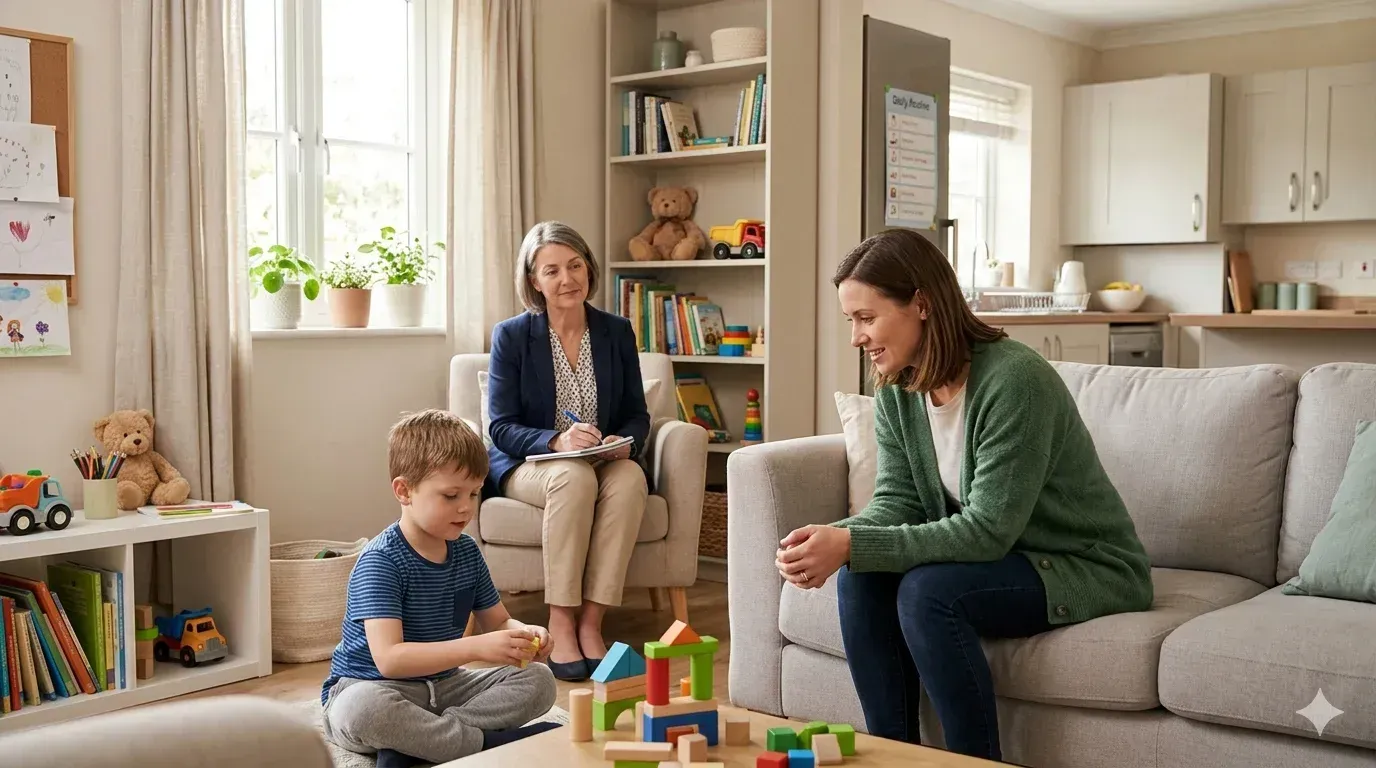
Children are engaged through play, which feels natural and helps them relax during the parenting assessment. - Maintaining familiar routines
Keeping consistent times for meals, sleep, and activities helps children feel secure. - Creating a child-friendly environment
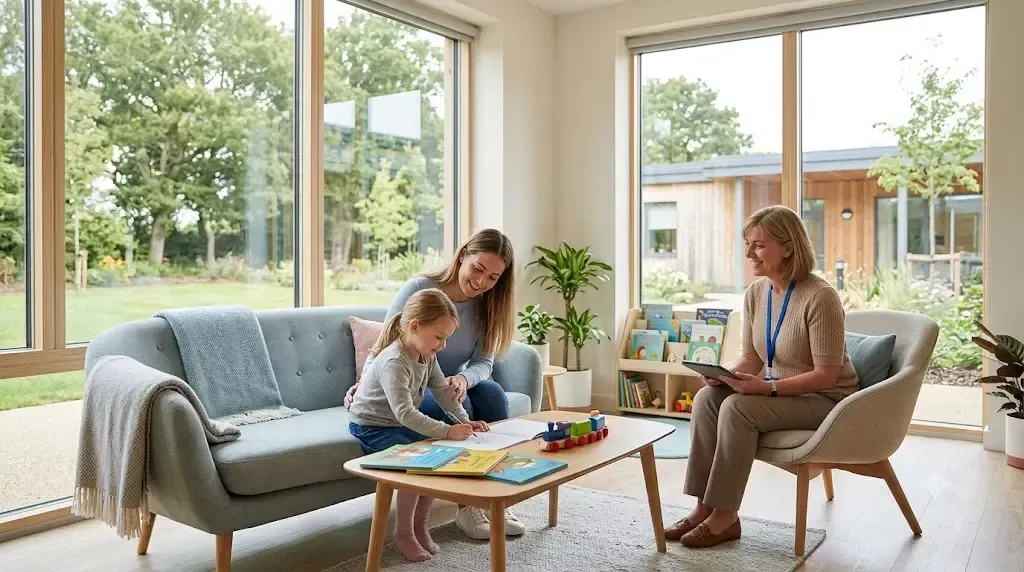
The setting includes toys, comfortable spaces, and a welcoming atmosphere. - Keeping parents involved
Having a parent present during the process helps children feel reassured. - Observing
without pressure
Staff in a family assessment centre observe quietly without interrupting or making the child feel watched. - Providing emotional reassurance
Professionals respond calmly to a child’s needs, helping them feel understood and supported.
The approach is gentle and child-focused, ensuring that any initial stress is reduced quickly and the child feels comfortable throughout the assessment.
Role of a Family Assessment Centre in Supporting Children:
A family assessment centre supports children by providing a safe, structured environment where their wellbeing, routine, and relationships are carefully supported and observed.
In the UK, these centres do more than assess—they actively help children feel secure during a parenting assessment. By combining care with observation, they ensure the child’s needs remain the priority at all times.
Here’s how a family assessment centre supports children:
- Creating a safe and stable environment
The setting is calm, clean, and child-friendly, helping children feel protected and at ease. - Maintaining consistent routines
Regular times for meals, sleep, and play give children a sense of normality and stability. - Supporting emotional wellbeing
Staff respond gently to children’s emotions, offering reassurance and comfort when needed. - Encouraging natural parent-child interaction
Children stay with their parents, allowing bonding and everyday care to continue during the assessment. - Observing without disruption
Professionals monitor interactions in a natural way, similar to a children’s assessment centre, without putting pressure on the child. - Providing age-appropriate care
Support is tailored to the child’s development stage and individual needs.
A family assessment centre plays a key role in ensuring children feel supported, safe, and understood while also allowing professionals to gain an accurate picture of their wellbeing and care.
Signs a Child May Feel Stressed:
Children may show stress through changes in behaviour, emotions, or routine during an assessment.
In a children’s assessment centre, these signs are usually temporary and often appear when a child is adjusting to a new environment or situation. Recognising them early helps professionals and parents respond in a supportive way.
Common signs include:
- Clinginess or separation anxiety
The child may stay very close to their parent or become upset when separated. - Withdrawal or quiet behaviour
Some children may become unusually quiet or less responsive. - Irritability or mood changes
Increased crying, frustration, or sudden emotional reactions. - Changes in sleep or eating patterns
Difficulty sleeping or reduced appetite during the parenting assessment. - Regression in behaviour
Younger children may return to earlier behaviours like thumb-sucking or needing more reassurance. - Avoidance or reluctance to engage
The child may resist activities or interaction with others in a family assessment centre.
These behaviours are normal and often short-term. Professionals are trained to recognise and respond to them in a calm and supportive way.
These signs usually reflect adjustment rather than serious distress, and most children settle as they become more comfortable in the environment.
How Parents Can Help Their Child Feel Comfortable:
Parents can help their child feel comfortable by staying calm, keeping routines consistent, and offering reassurance throughout the assessment.
In a children’s assessment centre, your behaviour has a strong impact on how your child feels. When you remain relaxed and supportive, your child is more likely to feel safe and settle quickly.
Here are simple ways to help your child:
- Stay calm and positive
Children pick up on your emotions. Staying relaxed helps reduce their anxiety during the parenting assessment. - Offer reassurance
Use simple, comforting words to explain that they are safe and you are there with them. - Maintain familiar routines
Keep regular times for meals, sleep, and activities to create a sense of stability. - Bring familiar items
A favourite toy, blanket, or book can help your child feel secure in a new environment. - Be emotionally available
Give attention, comfort, and respond to your child’s needs promptly. - Encourage natural behaviour
Let your child play and interact freely without pressure. - Work with professionals
Staff in a family assessment centre are there to support you—following their guidance can help both you and your child feel more at ease.
Overall, small, consistent actions from parents can make a big difference in helping children feel safe, supported, and comfortable during the assessment process.
Frequently Asked Questions (FAQs)
Can parents stay with their child during the assessment?
Yes, in most cases parents remain with their child.
This helps children feel secure, especially in a family assessment centre.
What if my child becomes upset during the assessment?
This is normal, especially at the beginning.
Staff are trained to respond calmly and provide reassurance
What do professionals look for in a children’s assessment centre?
They observe the child’s wellbeing, behaviour, and interaction with parents.
This helps build a clear picture of care and development.
Is a children’s assessment centre stressful for children?
A children’s assessment centre may feel new at first, but it is designed to be calm and supportive.
Most children settle quickly once they become familiar with the environment.
Conclusion:
A children’s assessment centre may feel unfamiliar at first, but it is carefully designed to support—not stress—children. With a calm environment, gentle approach, and trained professionals, most children settle quickly and feel safe during the process.
It’s important to remember that any initial anxiety is normal. With consistent routines, reassurance, and support from both parents and staff, children are able to adjust and behave naturally. Whether the assessment takes place on its own or alongside a family assessment centre, the focus always remains on the child’s wellbeing.
For parents, your role is key. Staying calm, engaged, and supportive can make a big difference in how your child experiences the assessment.
“Get the Guidance You Need to Support Your Family”
Share On