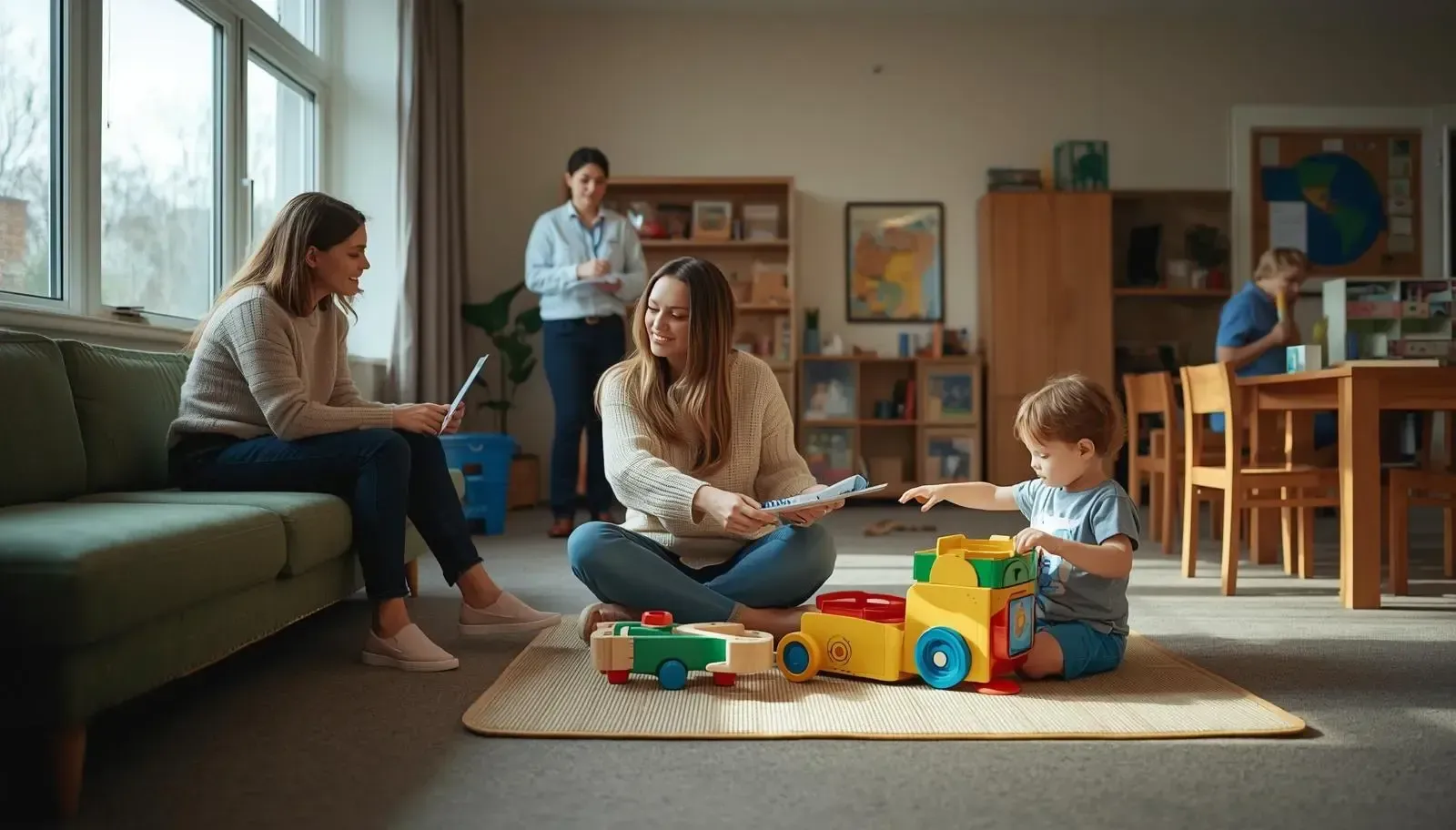
Residential Assessments vs Community Assessments
Understanding the Difference Between Residential and Community Assessments:
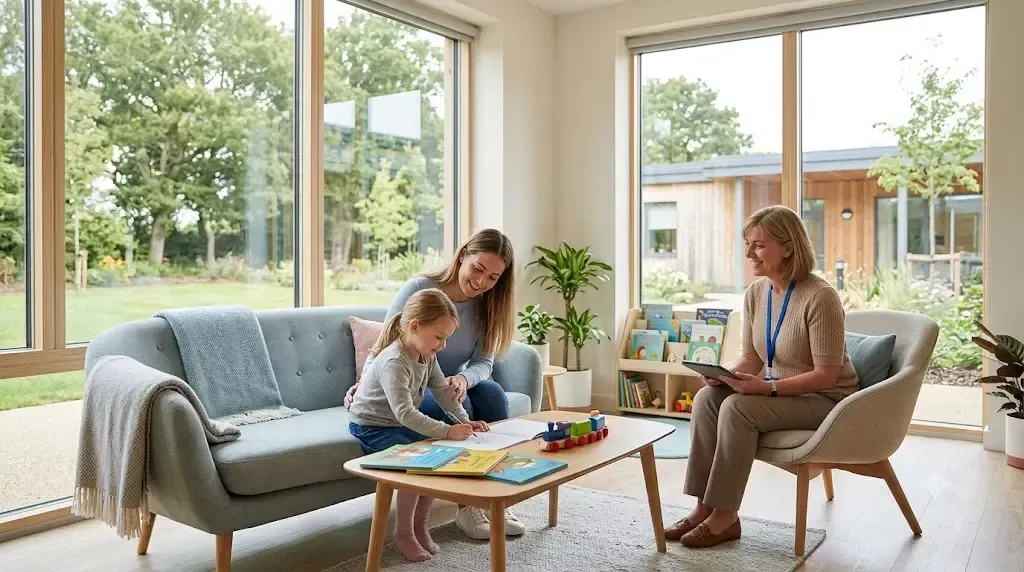
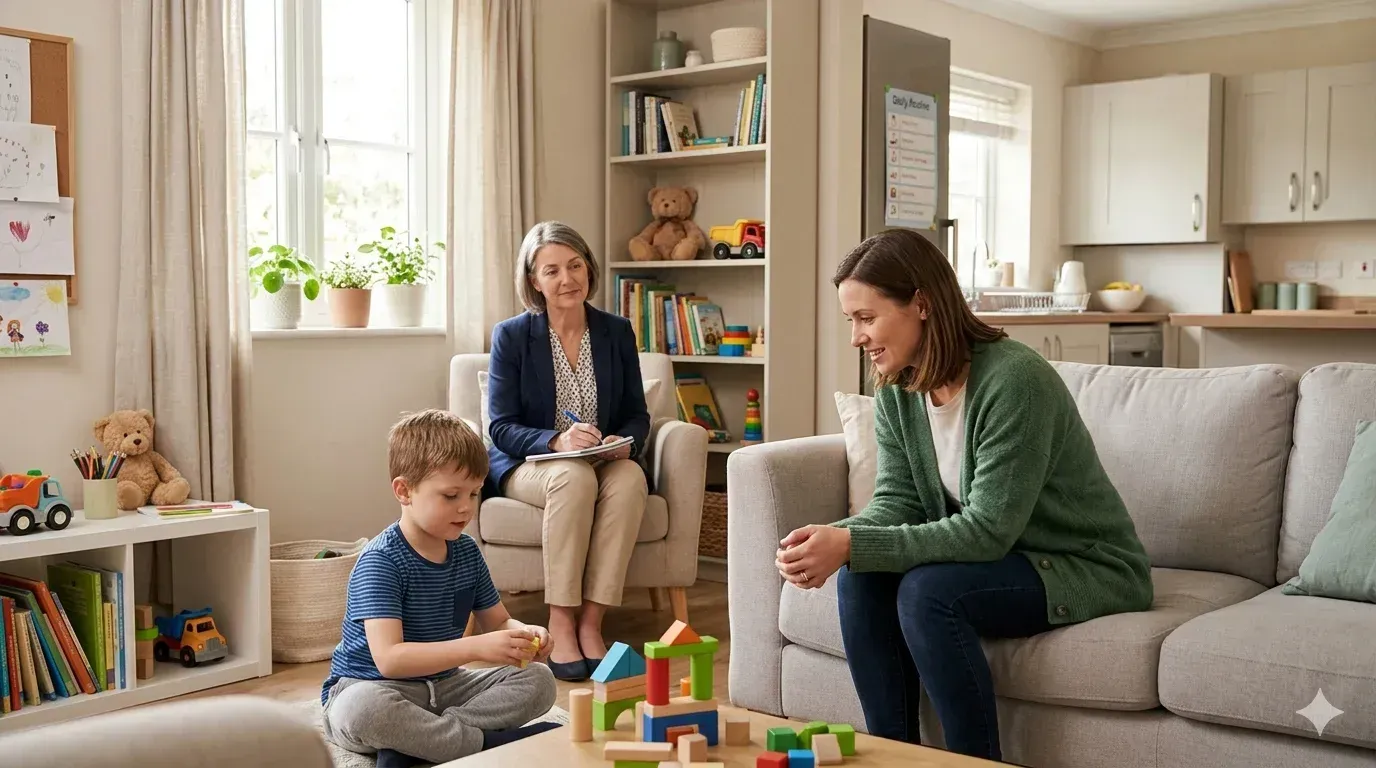
Residential assessments happen when families stay at a residential family assessment centre or unit for a period of time, allowing professionals to observe interactions continuously. Community assessments happen at home, with social workers visiting periodically to see how parents and children interact in their daily routines.
Key Differences Between Residential and Community Assessments:
Observation Setting:
- Residential: Families live at the centre/unit, giving assessors a full picture of daily routines, parenting skills, and child behavior.
- Community: Observations occur during home visits, offering insight into real-life family dynamics but with less continuous monitoring.
Intensity and Depth:
- Residential: High-intensity, structured environment allows detailed evaluation of parenting capacity and child safety.
- Community: Moderate intensity, focuses on interactions during specific visits and tasks.
When They Are Used:
- Residential: Complex cases, court-ordered assessments, safeguarding concerns.
- Community: Less complex cases, ongoing support, families who don’t need intensive observation.
Why It Matters:
Residential assessments provide evidence for courts and local authorities, ensuring decisions about children’s care are accurate and informed.
Community assessments give parents a chance to be assessed without leaving their home, making the process less disruptive while still supporting the child’s wellbeing.
Both fall under parenting assessments and help determine parenting capacity, child safety, and family support needs.
When Local Authorities in Hampshire Choose Residential Assessments?
Local authorities in Hampshire opt for residential assessments when they need detailed, continuous observation of family life, especially in complex or high-risk cases.
Why Residential Assessments Are Selected:
Complex family situations:
Families with previous safeguarding concerns, domestic challenges, or involvement with multiple agencies often require residential observation.
Court-mandated cases:
When parenting assessments are requested for court decisions, residential units provide comprehensive, evidence-based insight into parent-child interactions.
Structured and controlled environment:
Families live in the residential family assessment centre or unit, allowing assessors to monitor daily routines, parenting capacity, and child responses without external distractions.
Detailed evaluation of parenting capacity:
Continuous observation captures nuances in parenting that may not appear during brief home visits.
Benefits for Local Authorities in Hampshire:
- Reliable evidence for decision-making:
Ensures court and social service decisions are supported by detailed observations. - Consistency in assessment:
Structured environment reduces variability in assessment outcomes. - Supports permanency planning:
Accurate insights help authorities decide on stable long-term care for children. - Opportunities for parent improvement:
Families can receive guidance and structured support during the assessment process.
Situations Where Community Assessments May Be More Appropriate:
Community assessments work best when children can stay safely at home and social workers only need to observe parenting periodically. For families with stable routines and no immediate safeguarding concerns, home-based assessments provide valuable insights without disrupting daily life. Social workers visit during normal activities like meals, school drop-offs, and bedtime to understand real-life parenting, offer guidance, and support gradual improvements.
Key Situations for Choosing Community Assessments:
- Stable but monitored families:
Children are safe at home, and parents generally manage routines well. - Short-term or focused evaluations:
Authorities require information on specific concerns or follow-up assessments. - Minimally disruptive observation:
Families remain in their familiar home environment, reducing stress for children. - Supportive guidance:
Social workers can provide parent assess training and advice during visits, helping parents make gradual improvements.
Why It Works:
Community assessments give a realistic view of daily parenting, capturing interactions that occur naturally in the home. They are flexible, less resource-intensive than residential units, and still deliver actionable insights for local authorities or courts.
Benefits of Residential Family Assessments for Complex Cases:
Residential family assessments are particularly valuable in complex cases where authorities need a full, continuous view of family dynamics. By staying in a structured residential environment, families are observed over time, allowing assessors to evaluate parenting capacity, daily routines, and child interactions without missing crucial behaviors. These assessments give professionals, courts, and social services detailed evidence to make informed decisions, while also providing parents opportunities to demonstrate improvement and receive guidance.
- Continuous Observation:
Assesses interactions throughout the day, capturing nuances that short visits may miss. - Structured Environment:
Controlled routines allow assessors to understand family functioning without external distractions. - Evidence for Legal Decisions:
Provides detailed, court-ready reports to support safeguarding and permanency planning. - Parental Support and Guidance:
Parents receive structured feedback and coaching during the assessment process. - Complex Case Management:
Ideal for high-risk situations, including children with additional needs, such as residential care for autistic children in the UK. - Holistic Insights:
Captures emotional, behavioral, and practical aspects of parenting, which helps authorities make informed recommendations.
Limitations of Community-Based Parenting Assessments:
Community-based parenting assessments are useful for families who can stay at home and need less intensive monitoring. However, they have inherent limitations that parents, social workers, and local authorities should be aware of. Because observations are conducted during scheduled home visits, assessors may miss important behaviors or interactions that occur outside the visit times. This can lead to an incomplete picture of parenting capacity, especially in complex cases where children may have additional needs or challenges.
Community assessments also depend heavily on parent cooperation. Parents may behave differently during scheduled visits, consciously or unconsciously, which can affect the accuracy of the assessment. In high-risk or legally sensitive cases, this approach may not provide the level of detail needed to make informed decisions about child safety or permanency planning.
Key Limitations:
- Limited Observation Time:
Visits are brief and scheduled, so not all routines or interactions are seen. - Environmental Variables:
Home environment can introduce distractions or influences that affect observed behavior. - Incomplete Evidence for Complex Cases:
Courts or social services may require more intensive residential assessments for accurate decisions. - Parent Behavior Bias:
Parents may modify behavior during visits, consciously or unconsciously. - Not Suitable for High-Risk Families:
Families with safeguarding concerns or children with additional needs may require residential assessment.
Supporting Local Authorities Across Southampton and Hampshire:
Nucleus Horizons plays a crucial role in helping local authorities across Southampton and Hampshire make informed decisions about children’s care. By providing structured, evidence-based assessments, they ensure that both residential and community assessments deliver actionable insights for courts, social services, and families.
How Nucleus Horizons Supports Local Authorities:
- Delivering Reliable Observations:
Professionals monitor daily routines, interactions, and parenting capacity, producing detailed reports for decision-making. - Tailored Assessment Approaches:
Depending on the family’s needs, Nucleus Horizons provides either residential or community assessments, ensuring the right level of observation and support. - Evidence-Based Reporting:
Assessment findings are court-ready and compliant with UK regulations, helping authorities make legal and safeguarding decisions confidently. - Guidance and Support for Families:
Parents receive structured feedback, training, and guidance during the assessment process, improving outcomes and ensuring children’s wellbeing. - Focus on Permanency Planning:
Accurate assessments help authorities plan for long-term, stable placements, minimizing disruption in children’s lives. - Local Expertise:
With extensive experience in Southampton and Hampshire, Nucleus Horizons understands regional regulations, local services, and family dynamics, providing tailored support to authorities.
Timescales for Residential vs Community Assessments:
The length of parenting assessment depends on the type of assessment and the family’s complexity. Residential assessments usually take longer because families stay in a centre, allowing professionals to observe routines continuously. Community assessments happen at home, spread over several visits, so the overall timescale can be flexible but sometimes longer depending on scheduling.
Typical Duration:
Residential Assessments:
Families usually stay for 2 to 6 weeks. Continuous observation ensures assessors capture daily routines, parent-child interactions, and responses to challenges. High-risk or complex cases may extend the assessment.
Community Assessments:
Visits are scheduled over 2 to 8 weeks. Observers monitor specific routines and family interactions. The total duration can vary if parents or children are unavailable or if more visits are needed to gather complete information.
Factors Affecting Timescales:
- Complexity of the Case:
More children, additional needs, or safeguarding concerns can extend residential assessments. - Court Deadlines:
Courts often require reports within a certain timeframe, influencing scheduling. - Family Availability:
Community assessments depend on parents’ schedules and availability of children. - Flexibility vs Intensity:
Community assessments are flexible but less intensive, while residential assessments are continuous and more structured.
Choosing the Right Assessment Model for Families:
Choosing the right family assessment centre depends on the family’s needs, complexity of the case, and what local authorities require. There is no one-size-fits-all solution; both residential and community assessments serve different purposes.
A Mini Scenario:
Consider a family where one child has additional needs and the parents have some previous safeguarding concerns. A residential assessment might be necessary to observe interactions continuously and understand daily routines in a structured environment. On the other hand, for a family with stable routines and minimal risk, a community assessment can provide sufficient insight while keeping children at home.
Factors to Consider:
- Case Complexity:
High-risk or legally sensitive cases usually benefit from residential assessments.
Low-risk families or follow-up evaluations may only need community-based visits. - Child’s Needs:
Children with special requirements (e.g., autism, developmental delays) may require longer or more controlled observation. - Parental Capacity and Support Needs:
If parents need guidance and opportunities to demonstrate improvement, residential assessments offer structured support.
Community assessments work well when parents can manage daily routines independently. - Authority Requirements:
Courts or social services sometimes mandate a particular type of assessment depending on safeguarding or legal considerations.
Key Takeaways for Families and Professionals:
There is no universal model; each case must be evaluated individually.
- Residential assessments
Provide depth and continuous observation for complex cases. - Community assessments
Offer flexibility, minimal disruption, and a realistic view of home life.
Choosing the right assessment ensures accurate evaluation, supports children’s wellbeing, and helps authorities make evidence-based decisions.
Why Nucleus Horizons Supports Better Outcomes for Families in the South?
Nucleus Horizons helps families in Southampton, Hampshire, and the surrounding areas by providing structured, evidence-based assessments that guide social services and courts. Their approach ensures children receive stable, safe, and supportive care, while parents get opportunities to improve and demonstrate their parenting capacity.
How Nucleus Horizons Makes a Difference:
- Detailed, Evidence-Based Assessments:
Every residential or community assessment captures routines, interactions, and responses, producing reports that support informed decisions for courts and local authorities. - Tailored Support for Families:
Parents receive guidance, feedback, and structured coaching during assessments, allowing them to make meaningful improvements in their parenting skills. - Focus on Child Wellbeing:
All observations prioritize children’s emotional, developmental, and physical needs, ensuring recommendations are in their best interest. - Flexible Assessment Options:
Depending on the case, Nucleus Horizons provides residential family assessment centres for intensive observation or community assessment services for home-based evaluation. - Reducing Delays in Decision-Making:
Clear, structured reporting and continuous monitoring help local authorities make timely decisions about children’s care and permanency planning. - Local Expertise and Understanding:
With experience in Southampton and Hampshire, Nucleus Horizons understands regional regulations, social service processes, and local family dynamics, which ensures more accurate and practical recommendations.
Why It Matters:
By combining professional observation with practical support, Nucleus Horizons ensures assessments are fair, thorough, and actionable. Families benefit from guidance, authorities receive reliable evidence, and children are more likely to move towards stable, secure outcomes.
Frequently Asked Questions (FAQs)
What is a residential family assessment centre?
A residential family assessment centre is a facility where families stay for a set period so professionals can observe parenting and child interactions continuously. It is usually used in complex or high-risk cases and provides detailed evidence for courts and local authorities.
How do community assessments work?
Community assessments take place while children remain at home, and social workers conduct periodic visits to monitor routines, parenting skills, and family dynamics. This approach is less disruptive and suitable for low-risk or follow-up cases.
When are residential assessments recommended?
They are recommended for complex cases, court-ordered evaluations, or families with safeguarding concerns. Residential settings allow assessors to capture behaviors and routines that may not appear during short visits.
Are community assessments suitable for all families?
No. Community assessments are ideal for low-risk families or situations where children can safely remain at home. High-risk cases often require residential observation for more comprehensive evaluation.
What role do parenting assessments play in court decisions?
Parenting assessments, whether residential or community-based, provide evidence-based insights about parenting capacity, child safety, and family dynamics, helping courts make informed decisions about care, placement, and permanency planning.
Can residential assessments help parents improve their skills?
Yes. Families receive structured guidance and feedback during the assessment process, allowing parents to demonstrate improvement and gain support to enhance their parenting capacity.
How do local authorities in Hampshire and Southampton benefit from these assessments?
Assessments provide authorities with reliable, detailed information to support legal decisions, safeguarding, and permanency planning, ensuring children receive stable and appropriate care.
Conclusion:
Residential and community assessments both play a vital role in evaluating parenting capacity and ensuring children’s wellbeing. Choosing the right assessment depends on the complexity of the case, child’s needs, and local authority requirements.
Residential assessments provide continuous observation and detailed evidence for complex or high-risk cases, while community assessments offer flexible, home-based evaluation for lower-risk situations. Both types of assessments support informed court decisions, safeguarding, and permanency planning.
By working with expert providers like Nucleus Horizons, families and local authorities in Southampton and Hampshire can ensure that assessments are fair, thorough, and focused on children’s best interests. These structured evaluations help parents improve, support children’s stability, and provide authorities with evidence-based insights to make timely, confident decisions.
“Get the Guidance You Need to Support Your Family”
Share On