Why Safe Family Environments Matter in Assessments
A safe family environment is one of the most important parts of any parenting assessment. It is not just about a secure building, trained staff, or daily routines. It is about creating a calm place where children feel protected, parents feel supported, and professionals can understand the family more clearly.
In a
residential family assessment centre, the environment can affect almost everything. A child who feels safe may settle better, communicate more openly, and show their real emotional needs. A parent who feels guided rather than judged may be more able to listen, learn, and show positive changes in daily care.
What Is a Safe Family Environment in an Assessment Setting?
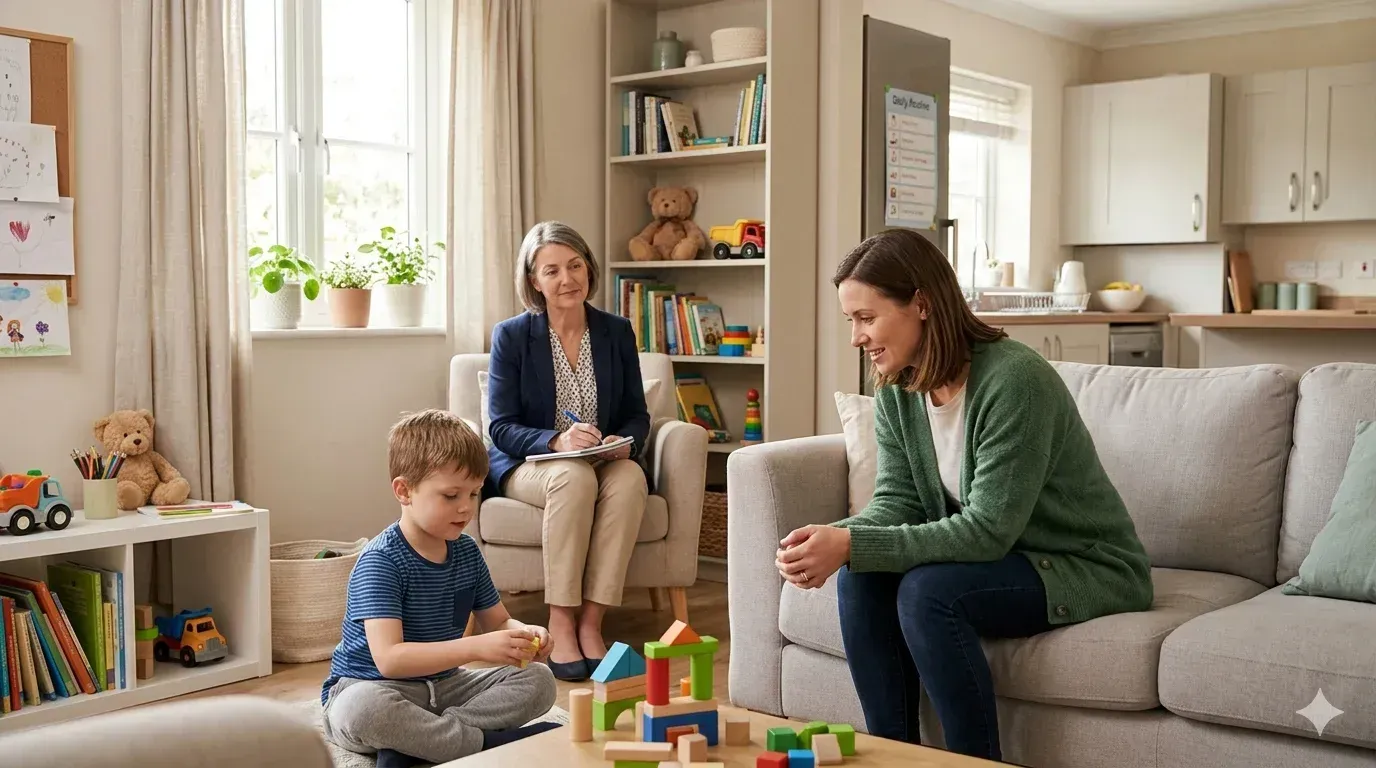
A safe family environment means a place where children feel protected, settled, and cared for while parents receive the right level of support. In a residential family assessment centre, safety is not only about having rules or supervision. It is about creating a calm, respectful, and structured space where family life can be observed fairly.
This type of environment helps children feel more secure during the assessment. When children feel safe, they are more likely to show their real emotions, routines, and needs. It also helps parents because they can focus on caring for their child instead of feeling confused, rushed, or unsupported.
What Makes the Environment Safe?
A safe assessment setting usually includes physical safety, emotional support, clear routines, and professional supervision. Staff are there to reduce risks, guide parents when needed, and make sure the child’s welfare stays at the centre of the process.
In a residential family assessment unit, daily routines such as feeding, bedtime, play, hygiene, and boundaries can show how parents manage real care. These small moments help professionals understand parenting capacity in a more natural way.
A safe family assessment unit should support:
- A calm and clean living space
- Clear daily routines
- Respectful communication
- Staff guidance and supervision
- Child-focused care and protection
A good children’s assessment centre gives families structure without making the setting feel harsh. The aim is to protect the child, support the parents, and help professionals make fair decisions based on clear observations.
Why Safety Comes First in Parenting Assessments?
Safety comes first in parenting assessments because the main question is not simply whether a parent loves their child. The real question is whether the parent can meet the child’s needs safely, consistently, and emotionally over time.
A parenting assessment looks at daily care, emotional warmth, routines, decision-making, boundaries, and how a parent responds when a child is upset, tired, hungry, or unsettled. These small everyday moments help professionals understand whether the child can be cared for in a safe and stable way.
Safety Gives the Assessment a Clear Purpose:
Parenting assessments are not about watching parents to find faults. They are about understanding the full picture of family life. This includes strengths, risks, support needs, and whether parents can make changes when guidance is given.
Safety helps professionals look at important questions such as:
- Is the child being protected from harm?
- Can the parent follow safe routines?
- Does the parent respond to the child’s emotional needs?
- Can the parent accept advice and apply it?
- Are the child’s daily needs being met consistently?
In a parenting capacity assessment, these points matter because children need more than basic care. They need comfort, stability, attention, and safe adults around them. When safety is placed at the centre, the assessment becomes more focused on what the child truly needs.
For parent assessment social services, this also helps create clearer evidence. Professionals can see how parents manage real situations, how they respond to pressure, and whether their care is safe enough for the child’s future.
How Safety Impacts Parenting Assessment Outcomes?
Safety can have a big impact on the outcome of parenting assessments. Parents may behave very differently in a stressful, chaotic, or unsupported setting compared with a calm and structured environment. When the setting feels safe, parents often have a better chance to show how they care for their child in real daily situations.
A supportive environment does not make the assessment less serious. It simply gives professionals a clearer and fairer view of parenting capacity. Instead of only seeing how a parent reacts under pressure, professionals can observe how they manage routines, build a bond with their child, respond to advice, and make safe decisions over time.
What Professionals Can Observe More Clearly?
In a safe assessment setting, everyday parenting becomes easier to understand. Small moments can show a lot about how a parent meets their child’s needs.
Professionals may look at:
- How the parent manages feeding, hygiene, sleep, and play
- How the parent responds when the child is upset or unsettled
- Whether the parent sets safe and suitable boundaries
- How the parent builds comfort, trust, and bonding
- Whether the parent listens to guidance and makes changes
- How the parent makes decisions during daily routines
This is especially important in a parenting capacity assessment, where professionals need to understand both strengths and concerns. For a parenting assessment for court, clear observations can help social workers, local authorities, and the court make better-informed decisions about the child’s future.
A safe environment gives families a fairer opportunity to show progress, while still keeping the child’s welfare at the centre of the assessment.
Protecting Children During the Assessment Process:
Protecting children is the main priority in any assessment. A children’s assessment centre is not only there to observe parents. It is also there to make sure the child feels safe, supported, and cared for throughout the process.
During an assessment, children may feel confused, unsettled, or unsure because they are in a new environment. This is why supervision, daily routines, emotional reassurance, and careful risk awareness are so important. The child’s welfare must stay at the centre of every decision.
Supervision Helps Reduce Risk:
Professional supervision helps staff notice concerns early and respond before small issues become bigger risks. This does not mean parents are treated unfairly. It means the child is protected while professionals understand how the parent manages care, routines, emotions, and safety.
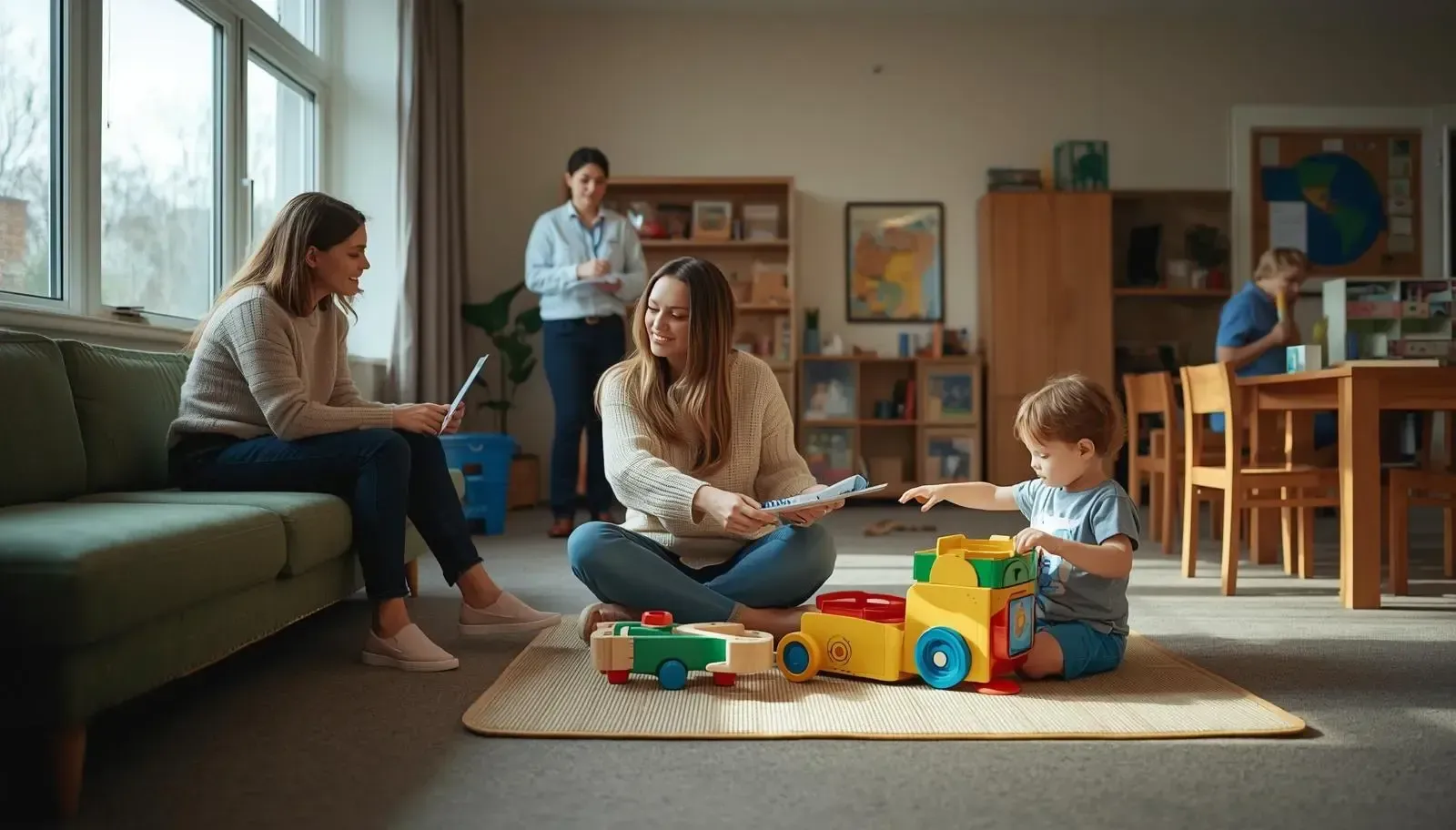
In a child and parent assessment centre, staff may observe daily moments such as feeding, bedtime, play, hygiene, and how parents respond when the child becomes upset or unsettled.
Daily Routines Help Children Feel Secure:
Children often feel safer when their day has a clear routine. Simple things like regular meals, sleep times, play, and calm communication can help children feel more settled.
A safe routine can support:
- Better emotional stability
- More settled behaviour
- Clearer observation of the child’s needs
- A calmer assessment experience
- Stronger focus on the child’s welfare
Emotional Reassurance Matters:
Children need more than physical safety. They also need comfort, patience, and reassurance from the adults around them. A good children’s assessment center helps make sure the child is not just observed, but understood.
When children feel emotionally supported, professionals can see their needs more clearly. This helps the assessment stay fair, child-focused, and based on what is best for the child’s future.
Choosing the Right Assessment Environment for a Family:
Choosing the right assessment environment is important because every family has different needs. Some families may need the structure and support of a residential family assessment centre, while others may be suitable for community assessment services or a blended assessment approach.
The right setting depends on the child’s safety, the parent’s support needs, professional concerns, and any court directions. The aim is always to choose an environment where the child can be protected and the family can be assessed fairly.
What Professionals Consider First?
Before deciding the assessment setting, professionals usually look at the level of risk and the needs of the child. If there are serious safeguarding concerns, a residential setting may give more structure, supervision, and support.
They may also consider:
- The child’s age, routine, and emotional needs
- The parent’s ability to manage daily care
- Any concerns raised by social workers
- The level of supervision needed
- Whether the assessment is linked to court proceedings
Residential, Community, or Blended Support:
A residential family assessment centre can be helpful when families need close support and daily observation. Community assessment services may be more suitable when professionals need to understand family life in the home or local setting.
For a parenting assessment for court, the setting must provide clear and reliable evidence. Whether the assessment is residential, community-based, or blended, the main focus should always remain the same: keeping the child safe and understanding what support the family may need.
Role of Environment in Emotional Stability:
The environment around a child can affect how they feel, behave, sleep, and respond to adults. In a children’s assessment centre, a calm and predictable setting helps children feel safer during a time that may already feel confusing or stressful.
When children feel settled, they may show their needs more clearly. Their sleep, confidence, attachment, and emotional regulation can all improve when the space around them feels consistent and supportive. This helps professionals understand the child’s behaviour in a fairer way.
A Calm Setting Helps Children Feel Secure:
Children often respond strongly to their surroundings. Noise, stress, conflict, or sudden changes can make them more anxious or unsettled. A calm environment can help them feel protected and more able to trust the adults around them.
This can support:
- Better sleep and daily routines
- More settled behaviour
- Stronger emotional connection
- Improved confidence
- Clearer signs of the child’s needs
Supportive Environments Help Parents Respond Better:
Parents may also respond better when the setting feels calm, respectful, and consistent. In a residential parenting assessment centre, parents can receive guidance while professionals observe how they respond to their child’s emotional and practical needs.
When parents feel supported, they may be more able to stay patient, follow routines, accept advice, and build a stronger bond with their child. This makes the assessment more useful because professionals can see how the family responds in a stable and structured environment.
How Safe Environments Support Behavioural Change?
Some parents need more than advice before they can make lasting changes. They may need guidance, modelling, routine, encouragement, and practical support to understand what safer parenting looks like in daily life.
In parenting assessments, a safe environment gives parents the chance to practise these changes while professionals observe how they respond. It helps staff see whether a parent can listen to advice, apply it consistently, and make better choices for their child over time.
Parents Need Support, Not Just Observation:
Behavioural change often happens through small daily steps. A parent may need help with bedtime routines, feeding, emotional responses, boundaries, or staying calm when a child is upset.
With the right support, parents can begin to understand:
- What their child needs in different situations
- How to respond in a safer and calmer way
- Why routines and boundaries matter
- How to accept feedback without feeling defeated
- How to repeat positive changes consistently
Consistency Shows Real Progress:
A parenting capacity assessment looks at whether positive changes can be maintained, not just shown once. This is why a safe and structured setting is important. It gives professionals time to see whether parents can keep using safer habits in everyday care.
Support such as guidance, modelling, and parent assess training can help parents build confidence. It also helps professionals understand whether the parent can turn advice into real, lasting change for the child.
Why Safe Environments Improve Assessment Quality?
Assessment quality depends on the kind of evidence professionals can see and record. If a family is assessed in a stressful or unclear setting, it can be harder to understand what is really happening. A safe and structured environment gives everyone a clearer picture.
In a residential family assessment centre, professionals are not only looking at one moment of parenting. They are looking at patterns over time. They observe how parents manage routines, respond to their child, accept advice, and make safe decisions in everyday situations.
What This Looks Like in Real Life
For example, a parent may manage one bedtime well but struggle when the child is upset or tired the next day. A safe residential parenting assessment unit gives professionals time to see these repeated moments. This helps them understand whether progress is consistent or only happening in certain situations.
It also helps children feel more settled, which makes their needs easier to understand. When children are protected and routines are clear, professionals can observe their behaviour, emotions, and relationship with the parent more fairly.
Why This Matters for Recommendations
Parenting assessments need strong, balanced evidence. A safe environment helps professionals record both positives and concerns, such as:
- How the parent responds to guidance
- Whether daily care is safe and consistent
- How the child reacts to the parent’s care
- What support may still be needed
This makes final recommendations more reliable. Instead of focusing only on difficult moments, professionals can make decisions based on a fuller view of family life, the child’s welfare, and the parent’s ability to provide safe care.
Residential and Community Assessment Settings: Why Safety Still Matters:
Safety matters in residential and comunity assessments of family assessment. Some families may need the structure of a residential family assessment unit, while others may be assessed through community assessment services or a blended model. The setting may change, but the main focus stays the same: keeping the child safe and understanding the family’s needs clearly.
In a residential setting, professionals can observe family life closely each day. They can see routines, care, emotional responses, and how parents manage support in a structured environment. This can be helpful when there are higher concerns or when more supervision is needed.
In community assessment services, professionals may assess the family in a more familiar setting. This can show how parents manage daily life at home, in the local area, or around existing support networks.
Different Settings, Same Priority:
Each assessment setting has a different purpose. A family assessment unit may offer closer observation, while community support may give a more natural view of family life. A blended model can bring both together when needed.
What matters most is that the child remains protected, the parents understand the process, and professionals can gather clear evidence. Whether the assessment is residential, community-based, or blended, safety should guide every part of the work.
Regulations and Standards Behind Safe Assessment Environments:
A safe assessment environment is not only based on good intentions. A residential family assessment centre also needs clear standards, safe working practices, and proper systems that protect children and support families.
These standards help make sure the centre is managed responsibly, staff understand their roles, and assessments are carried out in a fair and careful way. For families, this means the process should feel structured and respectful. For professionals, it means the evidence gathered during the assessment can be trusted.
What These Standards Usually Cover?
Residential family assessment centre regulations are there to support safe and consistent practice. They help guide how a centre manages safeguarding, staffing, records, daily routines, and professional assessment work.
In simple terms, a safe residential parenting assessment centre should have:
- Clear safeguarding procedures
- Suitable staff supervision and support
- Accurate records of daily observations
- Safe routines for children and parents
- Fair assessment expectations
- A child-focused approach in every decision
Why This Matters for Families and Professionals?
Standards help everyone understand what should happen during the assessment. Parents know what is expected, children are better protected, and professionals can make decisions using clearer information.
This does not mean the process has to feel cold or overly formal. A good centre should follow the right standards while still creating a calm, respectful, and supportive environment for families.
Is a Family Assessment Centre the Same as Children’s Residential Care?
A family assessment centre is not the same as children’s residential care. The main difference is the purpose of the placement. A child and parent assessment centre is designed to assess and support parents and children together, while children’s residential homes usually provide care for children who are living away from their parents.
This difference matters because people may search for terms like “children’s residential homes near me” when they are trying to understand support options. But a family assessment centre has a different role. It focuses on parenting capacity, child safety, family routines, and whether parents can meet their child’s needs with the right support.
The Main Purpose Is Assessment:
In a family assessment setting, the aim is not simply to provide accommodation. The aim is to understand how the parent cares for the child in daily life. Professionals observe routines, emotional care, boundaries, decision-making, and how the parent responds to guidance.
This helps social workers, local authorities, and courts understand what is safest and most suitable for the child’s future.
When Children Have Additional Needs?
Some children may have extra needs, including developmental, emotional, or communication needs. Families searching for residential care for autistic child UK may be looking for a different type of support. A family assessment centre may still consider a child’s individual needs during assessment, but its main purpose is to assess the parent and child together.
The focus remains on keeping the child safe, understanding the family’s needs, and giving professionals clear evidence for the next steps.
Frequently Asked Questions (FAQs)
What is a residential family assessment centre?
A residential family assessment centre is a setting where parents and children can stay together while professionals assess parenting capacity, child safety, and family needs. The aim is to understand whether the parent can care for the child safely and consistently with the right support.
Why is safety important in parenting assessments?
Safety is important because the child’s welfare must come first. A safe setting protects the child and also helps professionals observe parenting more fairly. It allows them to see daily routines, emotional care, decision-making, and how parents respond to support.
What happens in a children’s assessment centre?
In a children’s assessment centre, families may receive support, observation, guidance, and structured assessment. Professionals focus on the child’s wellbeing while also looking at how parents manage care, routines, boundaries, and emotional needs.
Can parenting assessments be used for court?
Yes, parenting assessments can support court and local authority decision-making when clear evidence is needed. They may help professionals understand parenting capacity, risks, strengths, and what support may be needed for the child’s future.
What is the difference between a residential assessment and a community assessment?
A residential assessment takes place in a centre where the family stays during the assessment. A community assessment usually happens in the family’s home or another community setting. Both focus on child safety, parenting capacity, and family needs.
Is a family assessment unit suitable for every family?
Not every family will need a family assessment unit. Suitability depends on the child’s needs, level of risk, referral details, professional concerns, and whether residential, community, or blended assessment is the best option.
Do safe assessment environments help parents change?
Yes, a safe and structured environment can help parents understand concerns, receive guidance, and practise safer parenting. It also helps professionals see whether parents can accept advice and apply changes consistently over time.
Conclusion:
A safe family environment plays an important role in every stage of an assessment. It helps protect children, supports parents during a difficult process, and gives professionals a clearer view of family life.
When children feel settled and parents understand what is expected, the assessment becomes more balanced. Professionals can observe routines, emotional care, decision-making, risks, strengths, and progress over time. This helps create fairer recommendations based on real evidence, not only stressful moments.
For families, social workers, and local authorities, the right environment can make the assessment process safer, clearer, and more supportive.
Nucleus Horizons / Horizon House provides a calm, structured, and evidence-based setting where children’s welfare remains at the centre while families are given a fair opportunity to show progress.
“Get the Guidance You Need to Support Your Family”
Share On