Child-Centred Assessment Approaches
A child-centred assessment focuses on the child’s safety, wellbeing, emotional needs and everyday experience. Instead of looking only at what parents say or intend to do, this approach looks closely at how the child is cared for, how they respond to their environment and whether their needs are being met in a safe and consistent way.
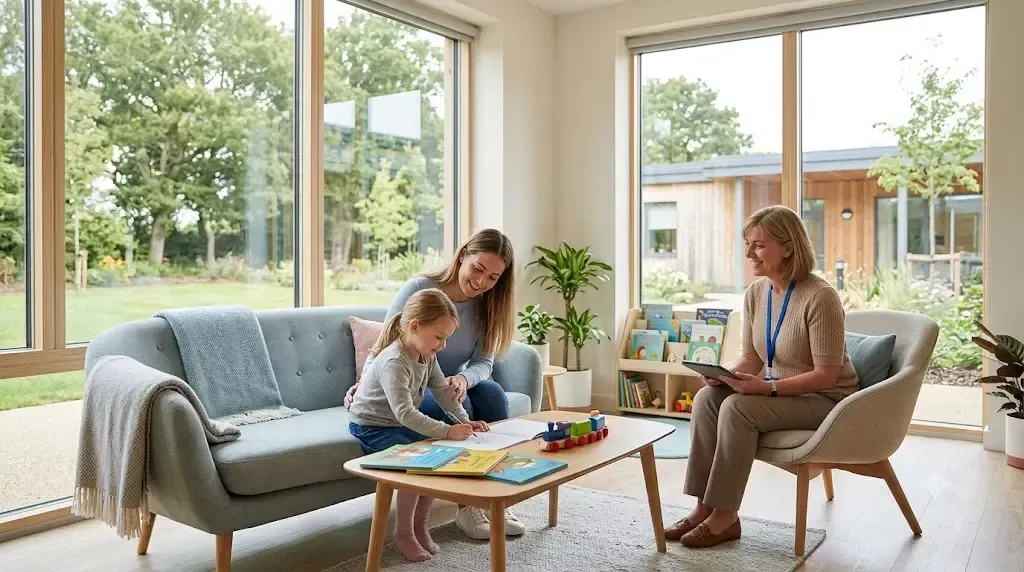
In a residential family assessment centre, child-centred practice is especially important because professionals can observe family life in a more natural setting. Daily routines, parent-child interactions, emotional responses, feeding, play, boundaries and comfort all help build a clearer picture of parenting capacity. This makes parenting assessments more balanced, practical and focused on real evidence.
Child-centred assessment is not about judging parents unfairly. It is about understanding what support the child needs, what strengths the family already has and what changes may be needed to improve safety, stability and long-term outcomes.
Understanding Child-Centred Assessment:
Child-centred assessment means looking at family life through the child’s needs, experiences and welfare. It helps professionals understand whether the child feels safe, supported and emotionally secure within their daily environment.
What Child-Centred Assessment Means:
A child-centred assessment places the child at the centre of every observation, discussion and recommendation. It looks at how the child is cared for, how routines are managed and how parents respond to the child’s emotional, physical and developmental needs.
This may include observing:
- Daily care routines
- Parent-child communication
- Emotional warmth and comfort
- Boundaries and safety
- The child’s behaviour, mood and responses
In a residential family assessment centre, this approach gives professionals the opportunity to observe real family interactions over time, rather than relying only on one-off meetings or reports.
Why the Child’s Voice Matters:
The child’s voice is a key part of any fair and meaningful assessment. Some children can explain how they feel, while younger children may communicate through behaviour, play, facial expressions or emotional responses.
Listening to the child helps professionals understand:
- What makes the child feel safe or unsettled
- How the child responds to parental care
- Whether the child’s emotional needs are being recognised
- What support may help the family move forward
A strong children’s assessment centre does not treat the child as a passive part of the process. Their experience helps shape a clearer and more balanced view of family life.
How It Supports Fair Parenting Assessments:
Child-centred practice helps make parenting assessments more fair because decisions are based on real evidence, not assumptions. It allows professionals to look at both strengths and concerns in parenting.
For example, an assessment may show where a parent is building a positive bond with their child, while also identifying areas where more support, guidance or structure is needed.
This balanced approach supports better decision-making for social services, courts and families because the focus remains on what is safest and most helpful for the child.
Role of a Residential Family Assessment Centre:
A residential family assessment centre provides a structured setting where parents and children can be assessed while living together. This allows professionals to understand family life in a practical way, including how parents manage care, routines, safety and emotional needs throughout the day.
Safe Setting for Parents and Children:
Safety is one of the main reasons a residential family assessment centre may be recommended. The setting gives families a stable environment where risks can be monitored, support can be offered and the child’s wellbeing remains the central focus.
This helps professionals observe whether the child is receiving safe, consistent and responsive care.
Daily Observation in Real Routines:
Residential assessment gives a clearer view of everyday parenting. Instead of relying only on short appointments, professionals can observe real routines such as:
- Feeding and mealtimes
- Sleep and bedtime routines
- Hygiene and personal care
- Play and emotional connection
- Boundaries and supervision
- How parents respond under pressure
These daily observations help build a more balanced parenting assessment based on real examples.
Support Inside a Residential Family Assessment Unit:
A residential family assessment unit is not only about observation. It also provides guidance, structure and practical support where needed. Parents may receive help with routines, child development, emotional responses, safety awareness and understanding their child’s needs.
This support can help identify both parenting strengths and areas that may need improvement, while keeping the child’s welfare at the centre of the assessment.
How a Children’s Assessment Centre Supports Families?
A children’s assessment centre supports families by keeping the child’s safety, wellbeing and daily experience at the centre of the process. The aim is to understand what the child needs, how parents respond to those needs and what support may help the family move forward safely.
Child Safety and Emotional Wellbeing:
Child safety is the first priority in any assessment. Professionals look at whether the child is protected, supervised and cared for in a consistent way.
Emotional wellbeing is also important. A child may appear settled, anxious, withdrawn or unsure depending on how safe and supported they feel. Careful observation helps professionals understand the child’s emotional responses and whether their needs are being recognised.
Understanding the Child’s Lived Experience:
A child’s lived experience means what life feels like from the child’s point of view. This includes their routines, relationships, comfort, fears, communication and sense of stability.
A children’s assessment center may consider:
- How the child responds to their parent
- Whether the child seeks comfort and receives it
- How daily routines affect the child
- Whether the child appears safe and emotionally secure
- How the child communicates needs through words, behaviour or play
This helps create a clearer picture of what the child is experiencing each day.
Support for Parents During Assessment:
A child-centred approach also supports parents. Professionals can help parents understand their child’s needs, build safer routines and respond more calmly and consistently.
Support may include practical guidance around daily care, emotional connection, boundaries, supervision and child development. This gives parents a fair opportunity to show progress while keeping the child’s welfare as the main focus of the parenting assessment.
Observing Parent-Child Relationships:
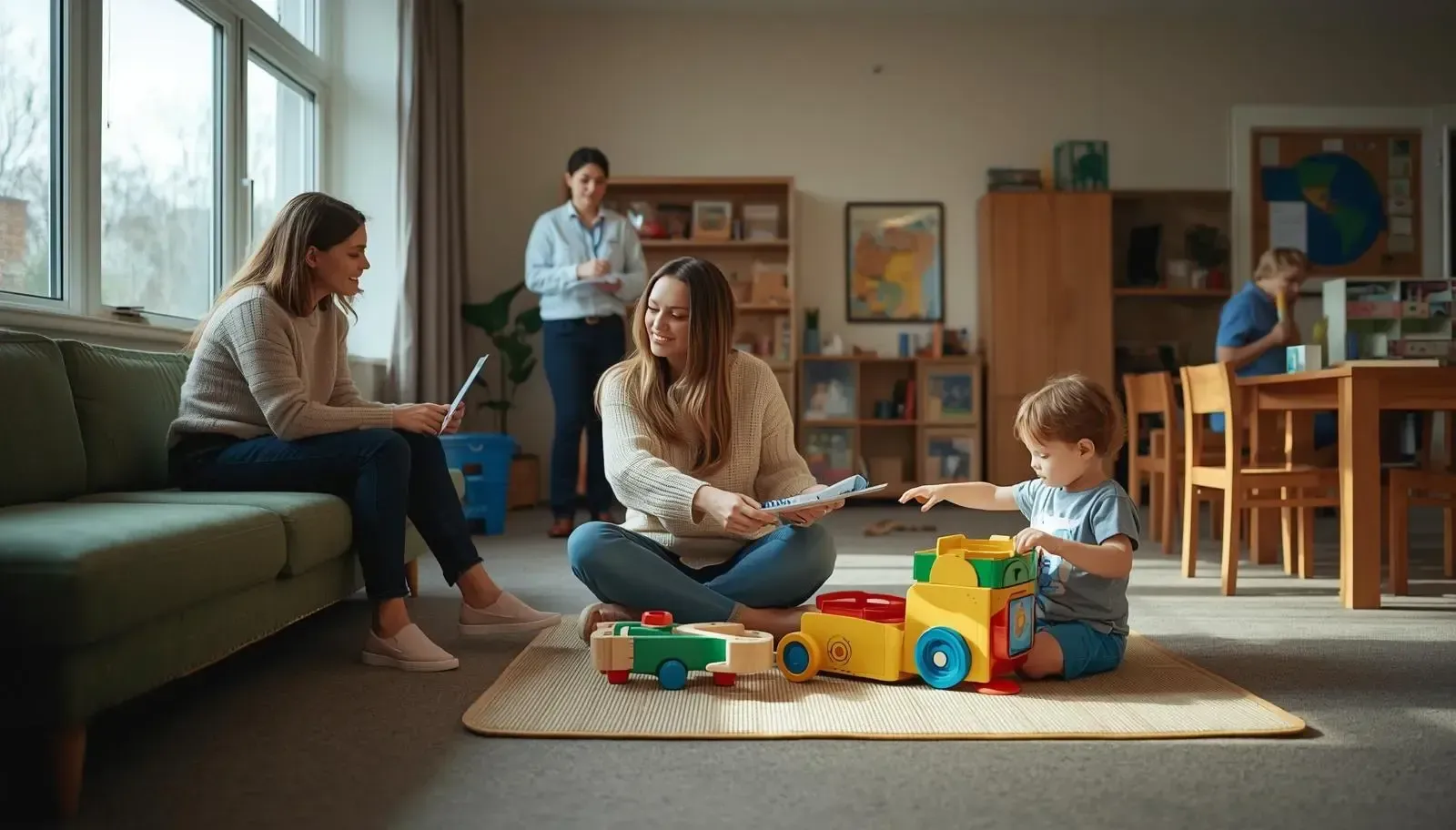
Observing parent-child relationships is a core part of any child-centred assessment. The focus is on understanding how parents and children interact naturally, how emotional bonds are formed, and how care routines affect the child’s wellbeing. In both residential and community settings, professionals use structured observation alongside supportive guidance to see real-life dynamics in action.
Attachment and Bonding:
Attachment reflects the emotional connection between parent and child. Strong attachment develops when a child feels secure, valued, and comforted. During assessment, professionals watch for:
- How easily the child seeks comfort and reassurance
- Parental responsiveness to the child’s needs
- Emotional warmth and physical affection
- Trust and predictability in the parent-child relationship
A child-centred approach ensures that attachment is observed in everyday moments, not just planned or staged interactions, giving a true reflection of the relationship.
Communication Between Parent and Child:
Effective communication is key for emotional wellbeing and development. Assessors focus on both verbal and non-verbal cues, including:
- Tone of voice and clarity of instructions
- Listening and responding to the child’s signals
- Encouraging conversation, play, and expression
- Non-verbal communication such as gestures, facial expressions, and body language
Observing these interactions helps professionals understand how the child’s needs are heard, interpreted, and addressed in daily life.
Response to Stress, Boundaries and Daily Care:
Parents often face stressful situations, and their response is critical for a child’s sense of safety. Professionals observe:
- How parents manage challenges or conflicts
- Consistency in setting boundaries and routines
- Emotional regulation during difficult moments
- Daily care practices including feeding, hygiene, and bedtime routines
This approach balances observation with guidance, giving parents opportunities to demonstrate positive strategies while highlighting areas where additional support may improve outcomes. Ultimately, observing parent-child relationships in context helps create a full, child-centred picture that informs fair and practical parenting assessments.
Supporting the Child’s Emotional Wellbeing:
Supporting a child’s emotional wellbeing is a core part of any child-centred assessment. Professionals focus on understanding the child’s feelings, reactions, and comfort levels during daily routines, play, and interactions with parents. Observing emotional responses helps identify whether the child feels safe, secure, and supported. Residential family assessment centres and children’s assessment centres offer an environment where these behaviours can be seen naturally, allowing assessors to make informed recommendations for both the child and family.
Recognising Emotional Distress:
Children may express distress in various ways, not always through words. Professionals look for:
- Withdrawal, avoidance, or sudden changes in behaviour
- Signs of anxiety, irritability, or frustration
- Difficulty engaging with play, meals, or routines
- Clinginess or repeated seeking of reassurance
Observing these behaviours over time allows assessors to distinguish between temporary reactions and consistent patterns, helping to identify areas where the child may need additional support or where parenting strategies can be strengthened.
Creating a Calm and Safe Environment:
A calm and predictable environment is vital for children to feel secure. Key considerations include:
- Structured routines for meals, sleep, and play
- Quiet and comfortable spaces to relax or self-soothe
- Consistency in staff and parental interactions
- Availability of familiar toys or objects that provide comfort
Such an environment encourages children to express themselves naturally and reduces stress, making it easier for assessors to observe authentic behaviours.
Helping Children Feel Heard:
Children need to feel that their emotions and thoughts are respected. Professionals achieve this by:
- Using age-appropriate communication methods, such as storytelling, drawing, and guided play
- Observing non-verbal cues, including body language, facial expressions, and gestures
- Encouraging children to express concerns without pressure or judgment
- Providing reassurance that their feelings are valid and important
When children feel heard, they are more likely to participate fully in the assessment, giving a clearer insight into their emotional wellbeing and supporting fair, child-centred recommendations.
In conclusion, supporting emotional wellbeing combines careful observation, structured routines, and responsive engagement. This ensures that assessments not only capture the child’s real experiences but also guide parents in creating safe, supportive, and emotionally nurturing environments.
Assessing the Impact of Parenting on the Child:
Assessing parenting is not only about checking whether a parent can complete daily tasks. A child-centred approach looks at how parenting affects the child’s emotional wellbeing, behaviour, development, safety and overall stability. This helps professionals understand whether the child’s needs are being met in a consistent and responsive way.
Emotional Impact:
Parenting has a direct effect on how safe and secure a child feels. Professionals observe whether the child receives comfort, reassurance and emotional warmth when they need it.
This may include looking at:
- How the parent responds when the child is upset
- Whether the child seeks comfort from the parent
- How calm, secure or unsettled the child appears
- Whether the parent notices emotional cues
- How the child reacts after praise, correction or conflict
These observations help build a clearer picture of the child’s emotional experience within the family.
Behavioural Impact:
A child’s behaviour can often show how they are experiencing care, routines and relationships. Some children may become withdrawn, while others may show frustration, clinginess, fearfulness or difficulty following boundaries.
In a parenting assessment, professionals may consider:
- Changes in the child’s mood or behaviour
- How the child responds to instructions
- Whether routines help the child feel settled
- How the parent manages challenging behaviour
- Whether boundaries are calm, clear and age-appropriate
The aim is not to blame the child or parent. It is to understand what the behaviour may be communicating and what support may help.
Developmental Impact:
Parenting also affects a child’s development. This includes speech, learning, play, independence, confidence and social interaction. A child-centred assessment looks at whether the parent supports the child’s stage of development in everyday life.
For example, professionals may observe whether the parent encourages play, talks to the child, supports learning, offers praise and allows age-appropriate independence. These small daily moments can show whether the child is receiving the support they need to grow and develop.
Safety and Stability:
Safety and stability are essential for every child. In a residential family assessment centre or family assessment unit, professionals can observe whether the child’s daily care is safe, predictable and consistent.
This may include:
- Safe supervision
- Regular routines
- Appropriate hygiene and feeding
- Safe sleep practices
- Awareness of risks
- Consistent emotional care
When children experience stable care, they are more likely to feel secure. This gives professionals stronger evidence for fair parenting assessments and helps guide decisions around the child’s long-term welfare.
Parenting Assessments and Parenting Capacity:
Parenting assessments focus on understanding how well a parent can meet their child’s needs. They go beyond checking routines and responsibilities to look at emotional support, safety, responsiveness, and the parent’s ability to manage challenges. In child-centred assessments, the child’s experience is always the key reference point.
What Parenting Assessments Look At:
A comprehensive parenting assessment examines several aspects of family life, including:
- Daily care routines: How meals, hygiene, sleep, and play are managed
- Emotional support: How parents respond to distress, celebrate achievements, and nurture attachment
- Consistency and boundaries: Whether rules and expectations are age-appropriate and reliably applied
- Problem-solving: How parents cope with stress, conflict, or unexpected events
- Interaction quality: Communication, engagement, and warmth in parent-child relationships
Observing these elements in real-life settings, such as a residential family assessment centre or children’s assessment centre, provides reliable evidence for decision-making.
Parenting Capacity Assessment Explained:
Parenting capacity assessment measures a parent’s ability to provide safe, supportive, and developmentally appropriate care over time. It considers:
- Emotional and practical skills
- Ability to respond to the child’s changing needs
- Strengths and areas requiring support
- Overall impact on the child’s wellbeing
This type of assessment can be used by social services or courts to guide interventions, support plans, and recommendations for family care.
Parent Assessment Social Services Involvement:
Social services often play a key role in parenting assessments, providing guidance, observation, and evaluation. They may:
- Coordinate assessment placements in residential or community settings
- Observe parent-child interactions
- Review evidence for parenting capacity
- Offer support, training, or interventions for parents
- Communicate findings to courts or other agencies when required
The involvement of social services ensures that parenting assessments are thorough, fair, and focused on the child’s safety, wellbeing, and long-term development.
Child-Centred Assessment for Court and Local Authorities:
Child-centred assessments often inform decisions by courts and local authorities. The goal is to provide an accurate, balanced, and evidence-based understanding of a child’s needs, the quality of parenting, and the overall family environment. By focusing on the child’s experience, these assessments help professionals make recommendations that prioritise the child’s safety, emotional wellbeing, and long-term stability.
Parenting Assessment for Court:
When a parenting assessment is requested for court purposes, the focus is on providing clear evidence about:
- How well parents meet the child’s emotional and practical needs
- Parent-child interactions and attachment quality
- Parenting strengths and areas requiring improvement
- Consistency, supervision, and safety within the home environment
Courts rely on residential family assessment centres and children’s assessment centres to provide comprehensive observations that reflect daily life rather than isolated incidents.
Evidence-Based Reporting:
Evidence-based reporting is essential for child-centred assessments. This involves:
- Documenting real-life observations from daily routines and interactions
- Using structured tools and professional frameworks to assess parenting capacity
- Including notes on emotional responses, behaviour, development, and safety
- Avoiding assumptions or subjective judgments
Reports must be clear, factual, and supported by observed evidence, ensuring decisions are based on the child’s actual experience and needs.
Clear Recommendations for Child Welfare Decisions:
A child-centred assessment provides actionable recommendations for families, social services, and the courts. These recommendations may include:
- Support or training for parents to improve routines or responses
- Additional services or interventions for the child
- Placement considerations, if necessary
- Guidance on maintaining emotional stability and safety
By grounding decisions in the child’s perspective and observed evidence, assessments help local authorities and courts make choices that protect and promote the child’s long-term wellbeing.
Residential vs Community Assessment Services:
Residential and community assessment services both help professionals understand a family’s needs, strengths and risks. The right approach depends on the child’s safety, the level of concern, the family situation and what type of evidence is needed. A child-centred approach makes sure the assessment setting supports the child’s wellbeing while giving parents a fair opportunity to show their parenting capacity.
When Residential Assessment Is Needed:
A residential assessment may be needed when professionals require close observation of family life over a set period of time. This can be helpful when there are concerns around safety, routines, emotional care, supervision or a parent’s ability to meet the child’s needs consistently.
A residential family assessment centre allows staff to observe:
- Feeding, sleep and hygiene routines
- Parent-child bonding and communication
- How parents respond to stress
- Safety awareness and supervision
- Emotional warmth and consistency
- Progress after guidance and support
This setting can provide a clearer picture than short visits because professionals see parenting in real daily situations.
When Community Assessment Services May Be Suitable:
Community assessment services may be suitable when the child can remain safely in the family’s usual environment while assessment work takes place. This approach allows professionals to see how parenting works within the home, local support network and everyday community routines.
Community-based assessment may focus on:
- Home routines and family structure
- School, nursery or health appointments
- Support from relatives or local services
- Parenting responses in familiar surroundings
- The child’s stability within their usual environment
This can be a helpful option when risks are manageable and the family does not need the structure of a residential parenting assessment centre.
Blended Assessment Approaches:
In some cases, a blended assessment may be the most effective option. This can combine elements of residential observation, community visits, direct work with parents and wider professional input.
A blended assessment may help when:
- The family needs structured support and community-based observation
- Professionals need evidence from more than one setting
- The child’s needs are complex
- Parents are making progress but still need monitoring
- Local authorities require a broader view before making decisions
By using the right mix of assessment methods, professionals can build a more balanced understanding of the family. This supports fair parenting assessments and helps ensure recommendations are based on the child’s real experience, not just one setting or one moment in time.
Parent Assess Training and Support During Assessment:
Parent assess training and support is an essential part of child-centred assessments. It ensures that parents not only understand the process but also receive practical guidance to improve their parenting skills. This approach balances observation with constructive support, helping parents demonstrate their capacity while prioritising the child’s wellbeing.
Helping Parents Understand Expectations:
Parents may be unfamiliar with what a parenting assessment involves. Professionals explain clearly:
- The purpose of the assessment and its child-centred focus
- How daily routines, emotional responses, and parent-child interactions are observed
- What behaviours and skills are considered important
- How evidence is recorded and used for decisions
Clear communication helps parents feel more confident, reduces anxiety, and ensures the process is fair and transparent.
Practical Parenting Guidance:
Support during assessment goes beyond observation. Professionals may offer practical guidance to help parents improve care, including:
- Strategies for responding calmly to distress
- Encouraging positive behaviour and emotional expression
- Ways to support attachment and bonding
- Age-appropriate play and learning activities
This guidance allows parents to demonstrate their strengths and apply constructive strategies in real-time, while assessors observe progress and consistency.
Building Safer Routines:
Consistent and safe routines are critical for children’s emotional and physical wellbeing. During assessment, parents are supported to:
- Establish predictable daily schedules for meals, sleep, and play
- Implement safe supervision practices
- Balance structure with flexibility to respond to the child’s needs
- Reinforce boundaries calmly and consistently
By building safer routines, parents create an environment where children feel secure. This also helps professionals see whether positive changes are sustainable, forming a key part of parenting capacity assessments and child-centred recommendations.
Why Child-Centred Approaches Improve Outcomes?
Child-centred approaches place the child’s experiences, needs, and wellbeing at the heart of every assessment. This methodology ensures that decisions and recommendations are informed by real-life observations and evidence rather than assumptions. By focusing on the child, professionals can support families more effectively and plan interventions that lead to lasting improvements.
Better Understanding of the Child’s Needs:
Child-centred assessments provide a detailed view of the child’s emotional, social, and developmental needs. Professionals can see how the child responds in daily routines, interactions with parents, and various settings. This approach helps identify:
- Areas where the child feels secure and supported
- Situations that may cause anxiety, distress, or discomfort
- Strengths in the child’s relationships and coping strategies
Understanding the child’s perspective allows interventions to be tailored to what will genuinely support the child’s wellbeing.
Fairer Assessment of Parenting Ability:
By observing real interactions and the child’s response to care, child-centred assessments provide a fairer evaluation of parenting skills. This approach highlights both strengths and areas needing improvement without bias or overreliance on self-reporting. Parents are given opportunities to demonstrate their capacity while professionals gather evidence-based insights, including:
- Responsiveness to the child’s emotional and physical needs
- Ability to manage routines and daily challenges
- Consistency and warmth in parenting
Such assessments reduce the risk of unfair judgments and ensure that decisions reflect actual parenting ability.
Stronger Long-Term Planning:
Child-centred approaches also inform long-term planning for families and local authorities. Recommendations are grounded in observed evidence and focus on sustainable improvements for the child. This can include:
- Support programs to enhance parenting skills
- Guidance on safe routines and family structure
- Recommendations for community or residential support services
- Clear strategies for promoting the child’s emotional, social, and developmental growth
By keeping the child at the centre, assessments lead to decisions that prioritise stability, safety, and positive outcomes over time, helping both the child and family thrive in the long term.
Frequently Asked Questions (FAQs)
What is a child-centred assessment?
A child-centred assessment focuses on the child’s needs, wellbeing, and daily experiences. Professionals observe interactions, routines, and emotional responses to inform decisions that prioritise the child’s safety and development.
What happens in a residential family assessment centre?
Families stay in a safe, structured environment while professionals observe parent-child interactions, daily routines, and care practices. Parents may receive guidance, and assessments focus on real-life evidence.
How are parenting assessments carried out?
Parenting assessments combine observation, structured interviews, and evidence-based tools. Professionals evaluate routines, bonding, emotional support, safety, and consistency in care to provide a fair assessment.
What is a children’s assessment centre?
A children’s assessment centre is a specialist facility where children’s needs, behaviour, and wellbeing are assessed. Observations help guide social services and courts in making informed decisions.
Is a parenting assessment used for court?
Yes, parenting assessments provide evidence about a parent’s ability to meet the child’s needs. Courts use this information to make decisions that protect the child’s best interests.
Conclusion:
Keeping the child at the centre of assessment is essential for understanding their real needs, emotional wellbeing, and daily experiences. Child-centred approaches lead to better, evidence-based assessments, safer planning, and stronger long-term outcomes for both the child and family.
Nucleus Horizons applies this supportive approach to ensure every assessment is focused on the child, providing guidance for parents while protecting and promoting the child’s welfare.
“Get the Guidance You Need to Support Your Family”
Share On